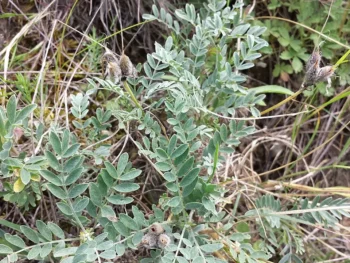
Astragalus vesicarius: A Mysterious Member of the Milkvetch Family
If you’ve stumbled across the name Astragalus vesicarius in your plant research, you’re likely scratching your head wondering why there’s so little information available about this supposed milkvetch species. Well, you’re not alone – and there’s a good reason for the confusion!
The Mystery Behind the Name
Astragalus vesicarius presents a fascinating puzzle in the botanical world. Despite belonging to the well-known Astragalus genus (commonly called milkvetches), reliable information about this specific species is remarkably scarce. This lack of documentation raises questions about whether this name represents a valid species, an outdated synonym, or perhaps a misidentification.
The Astragalus genus is one of the largest in the plant kingdom, containing hundreds of species distributed across various continents. However, not all names that appear in historical texts or casual references represent currently accepted species.
What We Know About Astragalus in General
While we can’t provide specific details about A. vesicarius, we can share what makes the Astragalus genus special:
- Most species are nitrogen-fixing legumes that improve soil health
- They typically produce attractive pea-like flowers in various colors
- Many species are drought-tolerant and well-adapted to challenging growing conditions
- Several species provide important habitat and food sources for native wildlife
A Better Path Forward for Native Gardeners
Rather than pursuing the elusive A. vesicarius, we recommend exploring well-documented native Astragalus species that are appropriate for your region. These alternatives offer the benefits you’re likely seeking – beautiful flowers, ecological value, and relatively easy care – with the added advantage of reliable growing information.
Some popular and well-documented native milkvetch species include:
- Astragalus canadensis (Canadian milkvetch) – excellent for prairies and naturalized areas
- Astragalus crassicarpus (ground plum) – a low-growing species perfect for rock gardens
- Astragalus purshii (woolly-pod milkvetch) – adapted to dry, sandy soils
Making Informed Plant Choices
When researching native plants, it’s always wise to verify species information through multiple reliable sources such as regional native plant societies, university extension services, or established botanical databases. This approach helps ensure you’re working with accurate information and selecting plants that will truly thrive in your garden.
If you’re specifically interested in leguminous wildflowers that support pollinators and wildlife, consider consulting with local native plant experts who can recommend species that are both well-documented and appropriate for your specific growing conditions and conservation goals.
The Takeaway
While Astragalus vesicarius remains an enigma in the plant world, this uncertainty shouldn’t discourage your native gardening journey. Instead, let it remind us of the importance of working with reliable plant information and the wealth of well-documented native alternatives available to create beautiful, ecologically valuable gardens.