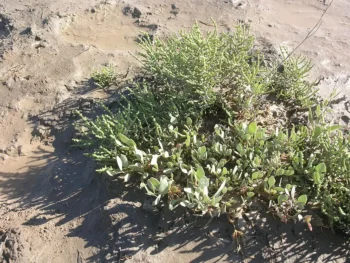
Warty Saltbush: A Tough-as-Nails Native for Water-Wise Gardens
Meet Atriplex verrucifera, better known as warty saltbush or verrucose saltbush—a plant whose common name might not win any beauty contests, but whose garden performance absolutely will! This unassuming native shrub is like the reliable friend who’s always there for you, asking for almost nothing in return while quietly making your landscape better in every way.
What Makes Warty Saltbush Special?
Don’t let that bumpy name fool you—warty saltbush is a silvery-leafed gem that’s perfectly at home in the challenging conditions of the American West. This hardy native calls the western United States home, thriving naturally across Nevada, Utah, California, and neighboring states where it has spent centuries mastering the art of surviving in tough conditions.
As a true native plant, warty saltbush has co-evolved with local wildlife and weather patterns, making it an excellent choice for gardeners who want to work with nature rather than against it. Its native status means it supports local ecosystems while requiring minimal resources from you.
Garden Appeal and Landscape Role
This compact shrub typically grows 1 to 3 feet both tall and wide, creating a neat, rounded form that works beautifully as:
- Low-maintenance groundcover
- Erosion control on slopes
- Border plantings in xeriscape designs
- Foundation plantings that won’t outgrow their space
The silvery-gray foliage provides year-round color and texture, creating a lovely backdrop for more colorful plants or standing beautifully on its own. While its small flowers won’t stop traffic, they’re perfect for attracting beneficial insects and small pollinators who appreciate the nectar source.
Perfect for Water-Wise Gardens
If you’re dreaming of a gorgeous garden that doesn’t guzzle water, warty saltbush should be on your wish list. This plant is ideally suited for:
- Xeriscape and desert-style landscapes
- Low-water or drought-tolerant gardens
- Areas with poor or alkaline soil
- Coastal gardens where salt tolerance is crucial
Growing Conditions and Care
Here’s where warty saltbush really shines—it’s remarkably easy to please! This adaptable native thrives in USDA hardiness zones 4 through 9, handling both cold winters and hot summers with grace.
Sun Requirements: Full sun is best, though it can tolerate some light shade
Soil Preferences: Well-draining soil is essential, but it’s not picky about soil type. Sandy, rocky, or even alkaline soils work perfectly. In fact, it often performs better in challenging soils than in rich, amended garden beds.
Water Needs: Once established (usually after the first year), this drought champion needs very little supplemental water. During establishment, water deeply but infrequently to encourage deep root growth.
Planting and Care Tips
Getting warty saltbush established in your garden is refreshingly straightforward:
- Planting: Spring is ideal for planting, giving the roots time to establish before summer heat
- Spacing: Plant 3-4 feet apart to allow for mature spread
- Watering: Water regularly the first growing season, then back off to occasional deep watering during extended dry periods
- Pruning: Light pruning in late winter can help maintain shape, but it’s not necessary
- Fertilizing: Skip the fertilizer—this plant actually prefers lean conditions
Wildlife and Pollinator Benefits
While warty saltbush might look unassuming, it’s working hard behind the scenes to support local wildlife. Small insects and native bees appreciate its nectar, while the seeds provide food for birds. The shrub’s structure also offers shelter for small wildlife, making your garden a more complete ecosystem.
Is Warty Saltbush Right for Your Garden?
This native champion is perfect for gardeners who want maximum impact with minimal effort. Consider adding it to your landscape if you:
- Want to reduce water usage without sacrificing beauty
- Have challenging soil conditions
- Live in an area with hot, dry summers
- Appreciate low-maintenance plants
- Want to support native wildlife
Warty saltbush proves that sometimes the most valuable garden plants are the ones that quietly do their job without fanfare. This resilient native brings year-round structure, supports local ecosystems, and asks for almost nothing in return—making it a true garden hero for water-wise landscapes across the western United States.