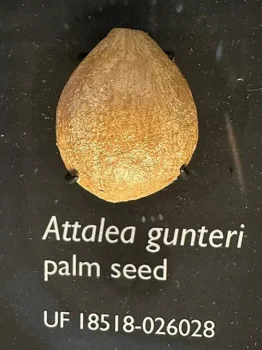
Attalea Palm: The Majestic Giants That Transform Your Tropical Landscape
If you’ve ever dreamed of creating your own tropical paradise, the attalea palm might just be the showstopping centerpiece you’ve been searching for. These magnificent palms belong to the Attalea genus and are known for their impressive stature and dramatic presence that can instantly transport you to a lush, exotic destination right in your own backyard.
What Makes Attalea Palms Special?
Attalea palms are true giants of the palm world, featuring spectacular feather-like fronds that create an unmistakable tropical silhouette. These palms don’t just grow—they make a statement. With their towering height and graceful fronds that dance in the breeze, they’re like living sculptures that add both vertical interest and exotic flair to any landscape.
Where Do These Beauties Come From?
These stunning palms are native to Central and South America, calling the tropical regions from Mexico down to Brazil their original home. In their natural habitat, they’re part of lush rainforest ecosystems where they’ve evolved to thrive in warm, humid conditions.
Is an Attalea Palm Right for Your Garden?
Before you fall head over heels for these tropical beauties, let’s talk about whether they’ll be happy in your space. Attalea palms are definitely not plants for every garden—they’re more like the luxury sports cars of the palm world.
Perfect Growing Conditions
These palms are quite particular about their living conditions, and who can blame them? Here’s what they’re looking for:
- Climate: USDA hardiness zones 10-12 (they absolutely cannot tolerate frost)
- Light: Full sun to partial shade—they love bright, warm conditions
- Soil: Well-draining soil that doesn’t get waterlogged
- Humidity: High humidity levels (they miss those tropical rainforests!)
- Space: Plenty of room to spread out—these aren’t apartment balcony plants
Landscape Design Ideas
When you’re planning where to place your Attalea palm, think big and think bold. These palms work best as:
- Stunning specimen trees that serve as focal points
- Dramatic entries to tropical-themed gardens
- Background plants for smaller tropical species
- Pool area showstoppers that create resort-like ambiance
Planting and Care Tips
If you’re lucky enough to live in the right climate zone, here’s how to keep your Attalea palm happy:
- Watering: Keep the soil consistently moist but not soggy—think tropical rainforest, not swamp
- Fertilizing: Regular feeding with palm-specific fertilizer will keep those fronds looking lush
- Spacing: Give them plenty of room to grow—check the mature size for your specific species
- Protection: Shield from cold winds and any hint of frost
Wildlife and Pollinator Benefits
While we don’t have complete data on the specific wildlife benefits of all Attalea species, palm flowers generally attract various insects and small animals, contributing to the local ecosystem’s biodiversity.
The Bottom Line
Attalea palms are absolutely gorgeous additions to the right garden in the right climate. If you live in zones 10-12 and have the space for a large palm, these tropical beauties can create an incredible focal point. However, if you’re in a cooler climate or looking for native alternatives, consider researching palms native to your specific region—they’ll be better adapted to local conditions and support local wildlife.
Remember, successful gardening is about choosing plants that will thrive in your specific conditions. While Attalea palms are stunning, they’re definitely a commitment that requires the right environment to truly flourish.