Australian Desert Lime: A Hardy Citrus for Drought-Tolerant Gardens
If you’re looking for a unique citrus that laughs in the face of drought, meet the Australian desert lime (Eremocitrus glauca). This tough little character brings the tangy world of citrus to places where other citrus trees would throw in the towel faster than you can say water shortage.
What Makes Australian Desert Lime Special?
The Australian desert lime isn’t your typical backyard citrus. This scrappy shrub or small tree has evolved to thrive in some of Australia’s harshest landscapes, making it a fascinating addition to drought-conscious gardens. With its thorny branches and small, intensely flavored fruits, it’s like the desert survivalist of the citrus world.
Where Does It Come From?
Native to the arid and semi-arid regions of Australia, particularly Queensland, New South Wales, and South Australia, this resilient plant has mastered the art of surviving on very little water. It’s naturally found in areas where rainfall is sparse and the sun beats down relentlessly.
What Does It Look Like?
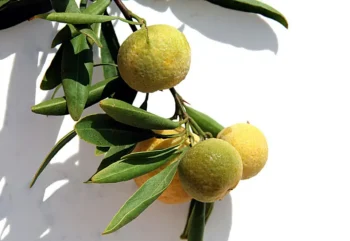
Don’t expect a lush, leafy citrus tree. The Australian desert lime is more of a thorny, compact shrub or small tree that typically reaches 6-13 feet in height. Its small, narrow leaves are designed to minimize water loss, and it produces small, fragrant white flowers that eventually develop into tiny lime-like fruits about the size of a cherry.
Garden Design and Landscape Role
This plant shines in specialized garden settings:
- Xeriscape and drought-tolerant landscapes
- Mediterranean-style gardens
- Specimen plantings for unique character
- Edible landscaping with a twist
- Barrier plantings (those thorns mean business!)
Growing Conditions and Care
The Australian desert lime is refreshingly low-maintenance once you understand its needs:
- Sun: Full sun is essential
- Soil: Well-draining soil is crucial – this plant despises wet feet
- Water: Drought tolerant once established, but appreciates occasional deep watering
- Climate: Best in USDA zones 9-11, as it’s sensitive to frost
Planting and Care Tips
Getting your Australian desert lime established is straightforward:
- Plant in spring after the last frost date
- Choose a sunny, well-draining location
- Water regularly during the first growing season, then reduce frequency
- Provide frost protection in marginal climates
- Minimal pruning required – just remove dead or damaged branches
- Mulch around the base to conserve moisture and suppress weeds
Benefits for Wildlife and Pollinators
While small, the white flowers of Australian desert lime attract bees and other small pollinators. The dense, thorny growth also provides nesting sites and protection for small birds, making it a valuable addition to wildlife-friendly landscapes.
Should You Grow It?
Australian desert lime is perfect for gardeners who want something truly unique and virtually bulletproof in hot, dry climates. However, it’s not for everyone. If you live in a humid climate or experience regular frosts, this plant might struggle. It’s also worth noting that as a non-native species, you might want to consider native alternatives that provide similar drought tolerance and wildlife benefits in your specific region.
For the right gardener in the right climate, though, Australian desert lime offers an exciting way to grow your own citrus while embracing water-wise gardening principles. Just don’t expect to make gallons of limeade – those tiny fruits pack flavor into a small package!