Australian Fingergrass: A Hardy Grass for Warm Climate Gardens
If you’re looking for a tough, drought-tolerant grass that can handle challenging conditions, Australian fingergrass (Chloris truncata) might catch your eye. This perennial grass has made itself at home in several U.S. states, though it’s important to know its story before deciding whether it belongs in your garden.
What is Australian Fingergrass?
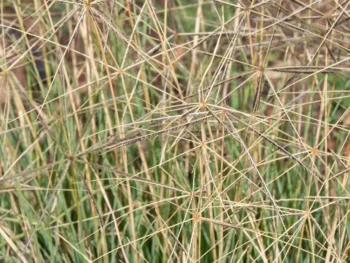
Australian fingergrass is a perennial grass that forms dense, clumping tufts with narrow, linear leaves. As its common name suggests, this species originally hails from Australia, but it has established itself as a non-native plant in parts of the United States. The grass gets its fingergrass moniker from its distinctive seed heads that branch out like fingers from the main stem, creating an interesting textural element in the landscape.
Where Does It Grow?
Currently, Australian fingergrass can be found growing in California, Hawaii, Louisiana, and South Carolina. It’s a non-native species that has naturalized in these areas, meaning it reproduces on its own without human intervention and tends to persist in the landscape.
- Species observed
- No observations
Should You Plant Australian Fingergrass?
Here’s where things get interesting. While Australian fingergrass isn’t currently listed as invasive or noxious, its non-native status means it doesn’t provide the same ecological benefits as native grasses. Before planting it, consider these factors:
- It’s extremely drought tolerant once established
- Requires minimal maintenance and care
- Can handle poor soil conditions
- May self-seed readily, potentially spreading beyond intended areas
- Offers limited benefits to native wildlife and pollinators compared to native alternatives
Native Alternatives to Consider
If you’re drawn to Australian fingergrass for its drought tolerance and low maintenance needs, consider these native alternatives that provide similar benefits while supporting local ecosystems:
- Buffalo grass (Bouteloua dactyloides) – excellent drought tolerance
- Blue grama grass (Bouteloua gracilis) – beautiful seed heads and wildlife value
- Little bluestem (Schizachyrium scoparium) – stunning fall color
Growing Australian Fingergrass Successfully
If you decide to grow Australian fingergrass, here’s what you need to know:
Climate and Hardiness
This grass thrives in USDA hardiness zones 8-11, making it suitable for warm climate regions. It’s particularly well-adapted to areas with hot, dry summers.
Growing Conditions
- Sunlight: Full sun for best growth and flowering
- Soil: Well-draining soil; tolerates poor, sandy, or rocky soils
- Water: Drought tolerant once established; minimal watering needed
- pH: Adaptable to various soil pH levels
Planting and Care Tips
Australian fingergrass is refreshingly low-maintenance once you get it going:
- Plant in spring after the last frost
- Space plants according to desired coverage density
- Water regularly during establishment (first growing season)
- Once established, supplemental watering is rarely needed
- Cut back in late winter if desired for fresh growth
- Monitor for self-seeding and remove unwanted seedlings
Landscape Uses
Australian fingergrass works well in:
- Drought-tolerant and xerophytic landscapes
- Mediterranean-style gardens
- Erosion control on slopes
- Naturalized areas where low maintenance is key
- Background plantings in mixed perennial borders
The Bottom Line
Australian fingergrass is undeniably tough and adaptable, making it tempting for gardeners dealing with challenging conditions. However, its non-native status means it won’t contribute to local biodiversity the way native grasses do. If you choose to grow it, do so responsibly by monitoring its spread and considering native alternatives that offer similar benefits while supporting your local ecosystem. Remember, the best gardens are those that work with nature, not against it!