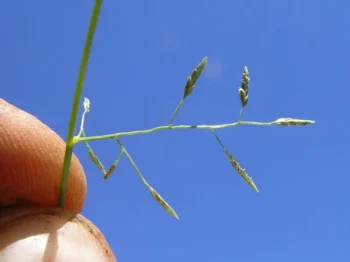
Australian Lovegrass: A Delicate Non-Native Grass for Your Garden
If you’re looking for a fine-textured grass that adds movement and lightness to your landscape, you might have come across Australian lovegrass (Eragrostis leptostachya). This perennial grass has quietly made itself at home in parts of the United States, bringing its delicate charm from its native Australia to American gardens.
What is Australian Lovegrass?
Australian lovegrass, scientifically known as Eragrostis leptostachya, is a perennial grass that belongs to the diverse lovegrass family. Don’t let the name fool you—while it’s called lovegrass, it doesn’t necessarily mean your garden will fall head-over-heels for it, though many gardeners do appreciate its wispy, ethereal quality.
This grass is also known by the botanical synonym Eragrostis hosakai, so don’t be confused if you see it listed under that name in some older references.
Where Does Australian Lovegrass Grow?
As a non-native species, Australian lovegrass has established populations in Hawaii and North Carolina. It’s one of those plants that has successfully made the journey from its Australian homeland and found suitable conditions to reproduce and persist in these American locations.
- Species observed
- No observations
Should You Plant Australian Lovegrass?
Here’s where things get interesting. Since Australian lovegrass is non-native, it’s worth considering whether it’s the best choice for your garden, especially if you’re interested in supporting local ecosystems.
The Neutral Take
Australian lovegrass isn’t currently listed as invasive or noxious, which means it’s not considered a major ecological threat. However, as a non-native plant, it may not provide the same benefits to local wildlife as native grasses would.
Consider Native Alternatives
Before planting Australian lovegrass, consider these native grass alternatives that might serve similar purposes in your landscape:
- Native bunch grasses specific to your region
- Local sedges for similar fine texture
- Indigenous prairie grasses that support local wildlife
Growing Australian Lovegrass Successfully
If you decide to grow Australian lovegrass, here’s what you need to know to keep it happy:
Growing Conditions
Australian lovegrass is relatively adaptable and tends to be drought tolerant once established. Based on its current distribution, it likely thrives in USDA hardiness zones 8-11, though it may be suitable for other zones with similar conditions.
Planting and Care Tips
- Plant in well-draining soil
- Provide full sun to partial shade
- Water regularly during establishment, then reduce frequency
- Minimal fertilization needed once established
- Be aware that it may self-seed in favorable conditions
Landscape Role and Design
Australian lovegrass works well in informal landscape settings where its delicate texture can add movement and visual interest. Its fine, wispy appearance makes it suitable for naturalized areas or as an accent grass in mixed plantings.
Wildlife and Pollinator Considerations
As a wind-pollinated grass, Australian lovegrass doesn’t offer significant direct benefits to pollinators like bees and butterflies. While some birds might use the seeds as food, native grasses typically provide better wildlife support overall.
The Bottom Line
Australian lovegrass can be an attractive addition to the right garden setting, particularly in informal or naturalized landscapes. However, given its non-native status, consider whether native alternatives might better serve your garden’s ecological goals. If you do choose to plant it, enjoy its delicate beauty while being mindful of its potential to spread and always dispose of plant material responsibly.
Remember, the best garden is one that reflects both your personal aesthetic preferences and your commitment to supporting local ecosystems—sometimes that means choosing the native cousin over the exotic newcomer!