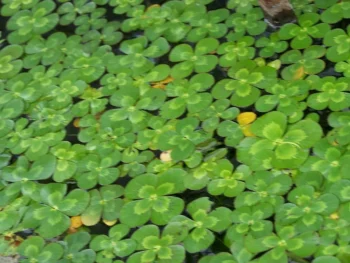
Australian Water-Clover: An Aquatic Fern for Water Gardens
If you’ve ever spotted what looks like a four-leaf clover floating on a pond’s surface, you might have encountered Australian Water-Clover (Marsilea mutica). Despite its common name suggesting it’s a clover, this fascinating plant is actually a unique aquatic fern that’s captured the attention of water gardeners across the southeastern United States.
What Is Australian Water-Clover?
Australian Water-Clover is a perennial aquatic fern that produces distinctive four-leaflet fronds resembling miniature four-leaf clovers. Unlike true clovers, this plant reproduces through spores rather than seeds, and it’s perfectly adapted to life in and around water. The plant forms dense, carpet-like mats that can either float on the water’s surface or emerge just above it, creating an enchanting groundcover effect.
Where Does It Grow?
Originally native to Australia and parts of Asia, Australian Water-Clover has established itself in several U.S. states including Alabama, Florida, Georgia, Mississippi, Oklahoma, South Carolina, and Virginia. As a non-native species, it has successfully reproduced and persisted in these areas without human intervention.
- Species observed
- No observations
Should You Plant Australian Water-Clover?
This is where things get a bit complicated. While Australian Water-Clover can be an attractive addition to water features, it’s important to consider both the benefits and potential concerns:
The Appeal
- Creates beautiful, clover-like carpets on water surfaces
- Thrives in wetland conditions where many plants struggle
- Low-maintenance once established
- Interesting conversation starter due to its unique appearance
The Concerns
- Non-native status means it doesn’t support local ecosystems as effectively as native plants
- Can spread aggressively in ideal conditions
- Limited wildlife benefits compared to native alternatives
Growing Conditions and Care
If you decide to grow Australian Water-Clover, success depends on providing the right wetland conditions:
- Water requirements: Obligate wetland plant – needs consistently wet to submerged conditions
- Light: Full sun to partial shade
- Hardiness: Best suited for USDA zones 8-11
- Soil: Muddy, waterlogged, or submerged conditions
Planting and Care Tips
- Plant in shallow water (1-6 inches deep) or saturated soil
- Ensure consistent moisture – never allow to dry out
- Minimal fertilization needed in nutrient-rich pond environments
- Monitor spread and thin if necessary to prevent overcrowding
- Winter protection may be needed in cooler zones
Native Alternatives to Consider
Before choosing Australian Water-Clover, consider these native alternatives that provide similar aesthetic appeal while supporting local wildlife:
- American Water-lily (Nymphaea odorata): Beautiful floating leaves with fragrant white flowers
- Spatterdock (Nuphar advena): Heart-shaped floating leaves with yellow flowers
- Water Hyacinth (Eichhornia crassipes): Though also non-native, it’s widely naturalized with stunning purple flowers
- Native sedges and rushes: For bog garden edges and shallow water areas
The Bottom Line
Australian Water-Clover can be an intriguing addition to water gardens, but it’s worth weighing its exotic appeal against the benefits of native plants. If you do choose to grow it, monitor its spread carefully and consider incorporating native aquatic plants alongside it to support local wildlife. Remember, the most sustainable gardens are those that work in harmony with their local ecosystems while still bringing joy to the gardener.
Whether you’re drawn to its unique four-leaf appearance or simply need a reliable aquatic groundcover, Australian Water-Clover offers an interesting glimpse into the diverse world of aquatic ferns – just remember to garden responsibly!