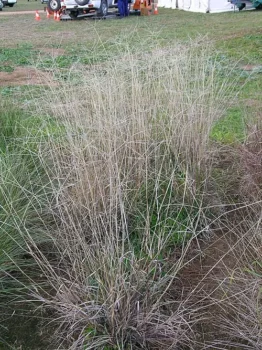
Australian Windmill Grass: A Non-Native Ornamental with Considerations for Conscious Gardeners
If you’ve stumbled across Australian windmill grass (Chloris ventricosa) in your plant research, you might be drawn to its wispy, ornamental seed heads and drought-tolerant reputation. But before you add this perennial grass to your shopping list, there are some important factors to consider—especially if you’re committed to native gardening and supporting local ecosystems.
The Name Game: What Is Australian Windmill Grass?
Australian windmill grass goes by its botanical name Chloris ventricosa, and as the common name suggests, this grass originally calls Australia home. It’s a perennial grass that has made its way to parts of the United States, where it has established populations in South Carolina and Virginia.
The Native Status Reality Check
Here’s where things get interesting (and a bit concerning for native plant enthusiasts): Australian windmill grass is classified as a non-native species that has been introduced to the United States. It reproduces spontaneously in the wild without human intervention and tends to persist once established. Currently, it’s found growing in South Carolina and Virginia.
- Species observed
- No observations
For gardeners committed to supporting native ecosystems, this non-native status is worth serious consideration. While the invasive status of this particular species isn’t well-documented, any non-native plant that readily self-seeds and persists in the wild raises red flags about potential ecological impacts.
What Does It Look Like?
Australian windmill grass is a clumping perennial that typically grows 1-3 feet tall and wide. True to its grass family heritage, it produces the characteristic grass-like foliage and develops feathery seed heads that give it ornamental appeal. The windmill part of its name likely refers to the way these seed heads catch and dance in the breeze.
Growing Conditions and Care
If you’re in USDA hardiness zones 8-11 and considering this grass despite its non-native status, here’s what it needs to thrive:
- Full sun exposure
- Well-drained soil (it’s quite adaptable to different soil types)
- Drought tolerance once established
- Low maintenance requirements
The grass is relatively easy to grow and doesn’t require much fussing once it’s settled in. However, its ability to self-seed and establish readily is precisely what makes it concerning from an ecological perspective.
The Native Alternative Approach
Before you decide on Australian windmill grass, consider exploring native alternatives that can provide similar aesthetic benefits while supporting local wildlife and ecosystems. Native grasses in your region likely offer:
- Better habitat and food sources for native birds and insects
- Natural adaptation to local climate conditions
- No risk of becoming problematic in natural areas
- Support for native plant communities
Research native grasses in your specific region—you might discover species that offer even better ornamental value while contributing positively to your local ecosystem.
Making an Informed Decision
While Australian windmill grass isn’t currently flagged as invasive, its non-native status and tendency to establish in wild areas make it a questionable choice for environmentally conscious gardeners. The unknown wildlife benefits and limited ecological value compared to native alternatives further tip the scales toward choosing local species instead.
If you’re drawn to ornamental grasses, take some time to explore what your native plant community has to offer. You might be pleasantly surprised by the beauty, resilience, and ecological benefits of grasses that evolved right in your backyard.
Remember, every plant choice is a vote for the kind of ecosystem you want to support. Choose wisely, and your garden—and local wildlife—will thank you for it.