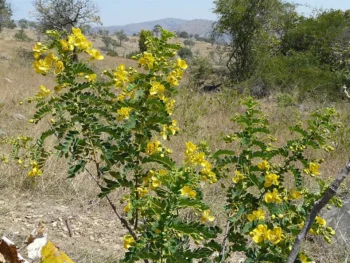
Avaram: A Golden Beauty for Warm Climate Gardens
If you’re looking to add a splash of sunshine to your garden, you might want to get acquainted with avaram (Cassia auriculata). This charming shrub brings clusters of bright golden-yellow flowers that can light up any landscape, though it’s definitely not for everyone or every climate.
What Makes Avaram Special?
Avaram is a flowering shrub that hails from the warm regions of India and Sri Lanka. With its feathery, compound leaves and abundant clusters of cheerful yellow blooms, it’s easy to see why this plant has caught the attention of gardeners in warmer climates. The flowers typically appear throughout much of the year in ideal conditions, making it a reliable source of color.
Where Does Avaram Come From?
This sunny shrub is native to India and Sri Lanka, where it grows naturally in tropical and subtropical conditions. It’s been cultivated for centuries in its native range, not just for ornamental purposes but also for traditional medicinal uses.
Is Avaram Right for Your Garden?
Here’s where things get interesting. Avaram can be a delightful addition to the right garden, but it comes with some important considerations:
- Climate requirements: This plant thrives in USDA zones 9-11, so if you’re dealing with frost or freezing temperatures, avaram isn’t going to be happy
- Not native to North America: While it’s not considered invasive, choosing native alternatives supports local ecosystems better
- Water needs: Once established, it’s quite drought tolerant, making it suitable for water-wise gardening
- Size considerations: This shrub can grow quite large, so make sure you have adequate space
Growing Avaram Successfully
If you’ve decided avaram fits your garden goals, here’s how to keep it thriving:
Planting Conditions
- Sunlight: Full sun is essential for best flowering
- Soil: Well-draining soil is crucial – avaram doesn’t like wet feet
- Space: Give it room to spread as it can become quite substantial
Care Tips
- Water regularly during the first growing season to establish roots
- Once established, it’s quite drought tolerant
- Prune lightly after flowering to maintain shape
- Generally low maintenance once settled in
Benefits for Wildlife
One of avaram’s redeeming qualities is its appeal to pollinators. The bright yellow flowers are magnets for bees and butterflies, providing them with nectar throughout the blooming season. This makes it a valuable addition to pollinator gardens in suitable climates.
Garden Design Ideas
Avaram works well in several garden styles:
- Tropical and subtropical landscapes
- Xerophytic or drought-tolerant gardens
- Pollinator gardens
- Medicinal plant collections
- Erosion control on slopes
Consider Native Alternatives
While avaram can be a lovely addition to warm-climate gardens, consider exploring native alternatives that provide similar benefits while supporting local ecosystems. Native plants are typically better adapted to local conditions and require less maintenance once established.
The Bottom Line
Avaram is a cheerful, relatively low-maintenance shrub that can bring golden beauty to the right garden. If you live in zones 9-11, have well-draining soil, and want to support pollinators, it might be worth considering. Just remember to research native alternatives first, and always source plants responsibly from reputable nurseries.
Whether you choose avaram or go with a native alternative, the key is selecting plants that thrive in your specific conditions while contributing positively to your local ecosystem. Happy gardening!