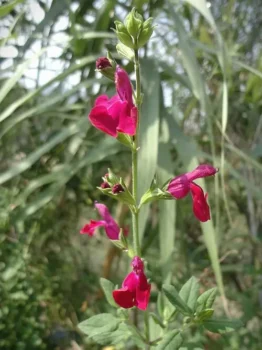
Baby Sage: A Colorful, Low-Maintenance Addition to Your Garden
If you’re looking for a plant that delivers non-stop color with minimal fuss, baby sage (Salvia microphylla) might just be your new garden favorite. This charming little shrub has been winning over gardeners with its cheerful blooms and easygoing nature, though as a non-native species, it’s worth considering alongside native alternatives.
What is Baby Sage?
Baby sage is a perennial shrub that typically grows as a multi-stemmed woody plant, usually staying under 13-16 feet in height (though most garden specimens remain much smaller). Don’t let the name fool you – while it’s called baby sage, this plant packs a big punch when it comes to flower power. You might also see it listed under its synonym, Salvia grahamii.
Where Does Baby Sage Come From?
Originally native to Mexico and parts of Central America, baby sage has made itself at home in parts of the southwestern United States. You’ll find established populations in Arizona, California, and New Mexico, where it has naturalized and reproduces on its own in the wild.
- Species observed
- No observations
Why Gardeners Love Baby Sage
There’s a lot to appreciate about this little powerhouse:
- Nearly year-round blooms: In favorable climates, baby sage produces its bright red to pink tubular flowers almost continuously
- Drought tolerance: Once established, it’s remarkably water-wise
- Pollinator magnet: Hummingbirds, butterflies, and bees can’t resist those tubular flowers
- Aromatic foliage: The small leaves release a pleasant fragrance when brushed or crushed
- Low maintenance: This is definitely a plant it and forget it kind of shrub
Perfect Garden Roles
Baby sage shines in several garden settings. It’s fantastic for border plantings where you want reliable color, works beautifully in containers, and is a natural choice for xeriscaping projects. The plant fits right into Mediterranean-style gardens, drought-tolerant landscapes, and cottage garden designs where a bit of informal charm is welcome.
Growing Baby Sage Successfully
The good news is that baby sage is refreshingly easy to grow. Here’s what you need to know:
Climate and Hardiness
Baby sage thrives in USDA hardiness zones 7-10. If you’re in a colder area, you can still enjoy this plant by growing it in containers and bringing it indoors for winter.
Light and Soil Requirements
Give your baby sage full sun to partial shade – it’s not particularly picky. The most important soil requirement is good drainage. This plant absolutely cannot tolerate soggy feet, so avoid heavy clay or areas where water tends to pool.
Watering Needs
While baby sage appreciates regular water when first planted, once it’s established (usually after the first growing season), it becomes quite drought tolerant. In fact, overwatering is more likely to cause problems than underwatering.
Care and Maintenance
Baby sage rewards minimal intervention. An occasional light pruning will keep it looking tidy and encourage more blooms, but it’s not strictly necessary. The plant naturally maintains a pleasant, somewhat informal shape.
A Word About Native Alternatives
While baby sage is a lovely garden plant and not considered invasive, gardeners interested in supporting native ecosystems might consider native Salvia species instead. Depending on your region, options like autumn sage (Salvia greggii) or other native salvias can provide similar benefits while supporting local wildlife more effectively.
The Bottom Line
Baby sage offers a lot of bang for your gardening buck – continuous color, easy care, and pollinator appeal. Whether you choose this cheerful non-native or opt for a native alternative, you’ll be adding a valuable flowering shrub to your landscape. Just remember that the best garden plant is one that suits both your growing conditions and your gardening goals.