Bagflower: A Tropical Showstopper for Warm Climate Gardens
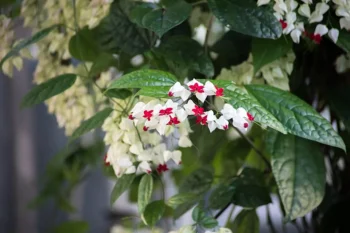
Looking for a flowering vine that’ll make your neighbors do a double-take? Meet the bagflower (Clerodendrum thomsoniae), a tropical beauty that’s guaranteed to spark conversations with its unusual white and red blooms. This eye-catching climber might not be native to North America, but it’s certainly made itself at home in some of our warmest regions.
What Makes Bagflower Special?
Bagflower is a perennial shrub that loves to climb and sprawl, typically staying under 13-16 feet tall with the right support. What really sets this plant apart are its distinctive flowers – imagine white paper lanterns with bright red hearts peeking out. The contrast is absolutely stunning against the plant’s heart-shaped, deep green leaves.
Originally from tropical West Africa, this non-native species has found its way to warmer parts of the United States and territories, where it now grows wild in places like Guam, Palau, and Puerto Rico. While it reproduces on its own in these areas, it’s not currently classified as invasive.
- Species observed
- No observations
The Good, The Bad, and The Beautiful
Why you might love bagflower:
- Unique, show-stopping flowers that bloom for extended periods
- Attracts butterflies and hummingbirds to your garden
- Versatile growth habit – can climb, trail, or be shaped as a shrub
- Relatively easy to grow in the right conditions
Why you might want to think twice:
- Only thrives in USDA zones 10-12 (think South Florida, Hawaii, Southern California)
- Requires consistent warmth and humidity
- Not native to North America
- Needs regular pruning to keep it manageable
Growing Bagflower Successfully
If you live in a tropical or subtropical climate and want to give bagflower a try, here’s what it needs to thrive:
Light and Location: Bagflower prefers partial shade to bright, indirect light. Too much direct sun can scorch the leaves, while too little light means fewer flowers.
Soil and Water: Well-draining soil is essential – this plant hates soggy feet. Keep the soil consistently moist but not waterlogged, and maintain high humidity around the plant.
Support: Since bagflower loves to climb, provide a trellis, arbor, or fence for it to scramble up. Without support, it’ll sprawl along the ground.
Temperature: This is a true tropical that needs consistent warmth. Anything below 50°F will stress the plant, and frost will kill it.
Maintenance: Regular pruning keeps bagflower looking its best and prevents it from taking over your garden. Trim after flowering to maintain shape and size.
Container Growing for Cooler Climates
Don’t live in the tropics? No problem! Bagflower makes an excellent container plant that you can grow indoors or move outside during warm months. Just remember to bring it inside before temperatures drop in fall.
Consider Native Alternatives
While bagflower can be a stunning addition to warm-climate gardens, consider exploring native alternatives that provide similar benefits to local wildlife. Native flowering vines like coral honeysuckle (Lonicera sempervirens) or crossvine (Bignonia capreolata) can offer beautiful flowers and better support local ecosystems.
The Bottom Line
Bagflower is undeniably beautiful and can be a wonderful addition to tropical gardens. If you’re in the right climate zone and looking for an exotic flowering vine, it’s worth considering. Just remember that this tropical native needs consistent warmth, humidity, and care to truly shine. Whether you choose bagflower or explore native alternatives, the key is picking plants that match both your climate and gardening goals.