Bald Brome: The Weedy Grass You Probably Don’t Want in Your Garden
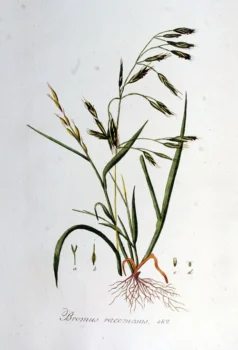
If you’ve spotted a rather unremarkable grass with sparse, open seed heads lurking in your lawn or garden beds, you might be looking at bald brome (Bromus racemosus). Also known as smooth brome, this annual grass is one of those plants that most gardeners encounter whether they want to or not. While it’s not necessarily a garden villain, it’s certainly not going to win any beauty contests either.
What Is Bald Brome?
Bald brome is a non-native annual grass that originally hails from Europe and western Asia. Despite its humble European origins, this adaptable little grass has made itself quite at home across North America, from Alaska all the way down to Florida and from coast to coast. It’s part of the brome grass family, and like many of its relatives, it has a knack for showing up in places where you didn’t invite it.
You might also see this plant referenced by its scientific synonyms, including Bromus commutatus, though Bromus racemosus is the currently accepted name.
Where You’ll Find It
Bald brome has established itself across virtually all of North America, including all U.S. states, Canadian provinces, and even territories like the Northwest Territories and Newfoundland. It’s particularly fond of disturbed areas, roadsides, fields, and unfortunately, our carefully tended gardens and lawns.
- Species observed
- No observations
Should You Plant Bald Brome?
The short answer? Probably not. While bald brome isn’t classified as aggressively invasive, it’s definitely not a plant most gardeners seek out. Here’s why:
- Low aesthetic appeal: This grass produces sparse, open panicles that look more weedy than ornamental
- Minimal wildlife value: As a wind-pollinated grass, it offers little to beneficial pollinators
- Weedy nature: It tends to pop up uninvited in garden beds and lawns
- Better alternatives exist: Native grasses offer superior beauty and ecological benefits
Growing Conditions and Characteristics
If bald brome does appear in your garden (and it very well might), you’ll find it’s quite the survivor. This annual grass thrives in USDA hardiness zones 3-9 and isn’t particularly picky about growing conditions. It tolerates poor soils and seems to especially enjoy disturbed areas where other plants struggle.
The plant completes its entire life cycle in one growing season, germinating in spring, flowering in late spring to early summer, setting seed, and then dying back. Its adaptability and quick reproductive cycle help explain why it’s become so widespread.
Managing Bald Brome in Your Garden
If you’re trying to keep bald brome out of your garden spaces, here are some effective strategies:
- Mow before seed set: Cut it down before it has a chance to produce seeds
- Maintain healthy turf: Dense, healthy grass crowds out weedy competitors
- Hand-pull small patches: Easy to remove when young, especially after rain
- Mulch garden beds: A good layer of mulch prevents seeds from germinating
Native Alternatives Worth Considering
Instead of accepting bald brome’s weedy presence, consider these attractive native grass alternatives that offer real ecological benefits:
- Buffalo grass (Bouteloua dactyloides) – for western regions
- Little bluestem (Schizachyrium scoparium) – beautiful fall color
- Prairie dropseed (Sporobolus heterolepis) – fragrant and elegant
- Fine fescue species – for cooler climates
The Bottom Line
While bald brome isn’t going to cause ecological disaster, it’s also not going to enhance your garden’s beauty or support local wildlife. This non-native annual grass is more of a tolerable background player than a star performer. If you’re putting effort into your landscape, you’re better off choosing native grasses that offer superior aesthetics, wildlife benefits, and regional adaptation.
Think of bald brome as that acquaintance who shows up uninvited to parties – not necessarily harmful, but probably not someone you’d choose to spend time with given better options.