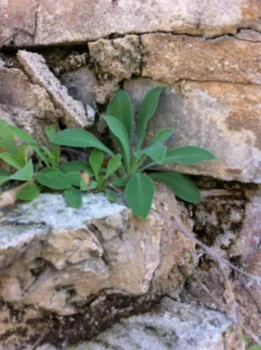
Balkan Catchfly: A Lesser-Known Member of the Silene Family
If you’ve stumbled across the name Balkan catchfly (Silene csereii) in your plant research, you’re likely wondering what exactly this plant is all about. This member of the Silene genus is one of those interesting botanical specimens that doesn’t get much spotlight, but still has its place in the gardening world.
What is Balkan Catchfly?
Balkan catchfly is a biennial to perennial forb, meaning it’s a non-woody plant that can live for two or more years. As a forb, it lacks the significant woody tissue you’d find in shrubs or trees, instead maintaining softer stems and foliage. The plant gets its catchfly name from the sticky substances found on many plants in the Silene genus, which can trap small insects.
Native Status and Distribution
Here’s where things get interesting: Balkan catchfly isn’t actually native to North America. It’s a non-native species that has established itself across a surprisingly wide range of states and provinces. You can find it growing wild in Alberta, British Columbia, Manitoba, Ontario, Quebec, Saskatchewan, and numerous U.S. states including Colorado, Illinois, Indiana, Iowa, Kentucky, Maine, Maryland, Massachusetts, Michigan, Minnesota, Missouri, Montana, New Hampshire, New Jersey, New York, North Dakota, Ohio, Pennsylvania, South Dakota, Vermont, West Virginia, Wisconsin, and Wyoming.
- Species observed
- No observations
The fact that it reproduces spontaneously and persists without human intervention shows this plant has found North American conditions quite suitable for its needs.
Should You Grow Balkan Catchfly?
This is where gardeners need to think carefully. While Balkan catchfly isn’t currently listed as invasive or noxious, its non-native status means it’s not providing the same ecological benefits as plants that evolved alongside our local wildlife and ecosystems.
If you’re drawn to the Silene family, consider these native alternatives instead:
- Wild pink (Silene caroliniana) – a beautiful native with bright pink flowers
- Fire pink (Silene virginica) – stunning red blooms that attract hummingbirds
- Starry campion (Silene stellata) – delicate white star-shaped flowers
Growing Conditions and Care
If you do choose to grow Balkan catchfly, treat it similarly to other members of the Silene genus. These plants generally prefer:
- Well-draining soil (they don’t like wet feet)
- Full sun to partial shade
- Moderate watering once established
- Good air circulation to prevent fungal issues
As a biennial to perennial, you can expect the plant to establish itself in the first year and flower in subsequent years. The exact hardiness zones for this specific species aren’t well documented, but given its wide distribution across both Canada and northern U.S. states, it appears quite cold-tolerant.
The Bottom Line
Balkan catchfly represents one of those garden plants that falls into a gray area – it’s not causing obvious ecological harm, but it’s also not contributing to local biodiversity the way native plants do. If you’re passionate about supporting pollinators and local wildlife, your garden space might be better used for native alternatives that offer similar aesthetic appeal while providing crucial habitat and food sources.
That said, if you already have Balkan catchfly growing in your garden or encounter it in the wild, there’s no need to panic. Just keep an eye on it and consider gradually transitioning to native alternatives as you redesign your garden spaces.