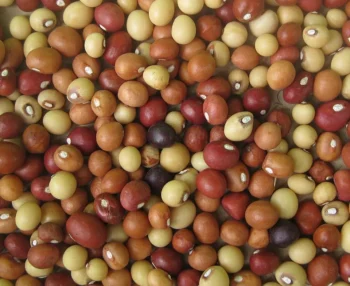
Bambarra Groundnut: An African Treasure for Adventurous Gardeners
If you’re tired of the same old garden vegetables and looking for something truly unique, let me introduce you to the bambarra groundnut (Vigna subterranea). This fascinating legume might just be the conversation starter your garden has been missing – though it definitely isn’t for everyone or every climate!
What Exactly Is Bambarra Groundnut?
Bambarra groundnut, scientifically known as Vigna subterranea, is a low-growing legume that produces edible nuts underground, similar to peanuts. You might also see it listed under its botanical synonyms Glycine subterranea or Voandzeia subterranea in older gardening references. This quirky plant has heart-shaped leaves and produces small, cheerful yellow flowers that eventually develop into pods buried beneath the soil surface.
Where Does It Come From?
This plant calls sub-Saharan Africa home, where it’s been cultivated for thousands of years as an important food crop. It thrives in the warm, sandy soils of regions like Botswana, Zimbabwe, and parts of West Africa.
Why You Might Want to Grow It (Or Not)
Here’s the thing about bambarra groundnut – it’s definitely not your typical North American garden plant. Since it’s not native to our continent, you’ll want to consider whether it’s the right fit for your gardening goals.
Reasons to consider it:
- Unique edible crop that’s high in protein
- Nitrogen-fixing properties improve soil health
- Drought-tolerant once established
- Attractive ground cover with yellow blooms
- Great conversation piece for adventurous gardeners
Reasons you might skip it:
- Very limited growing zones (only USDA 9-11)
- Long growing season requirements
- Not native to North America
- Limited availability of seeds
Native Alternatives to Consider
If you’re interested in nitrogen-fixing legumes that support local ecosystems, consider these native options instead: wild lupine (Lupinus perennis), partridge pea (Chamaecrista fasciculata), or American groundnut (Apios americana). These plants offer similar soil benefits while supporting native pollinators and wildlife.
Growing Conditions and Care
If you’re in the right climate zone and determined to give bambarra groundnut a try, here’s what it needs to thrive:
Climate Requirements:
- USDA hardiness zones 9-11 only
- Warm temperatures (above 60°F consistently)
- Long, frost-free growing season (120+ days)
Soil and Site Preferences:
- Well-draining, sandy soil
- Full sun exposure
- Soil pH between 6.0-7.0
- Good air circulation
Planting and Care Tips
Getting bambarra groundnut started requires patience and the right timing:
- Direct seed after soil temperature reaches 65°F
- Plant seeds 1-2 inches deep, spacing 6 inches apart
- Water regularly until established, then reduce frequency
- Avoid overwatering – this plant prefers drier conditions
- Harvest occurs 90-120 days after planting when pods are mature
Pollinator and Wildlife Benefits
While not supporting native wildlife as effectively as indigenous plants, bambarra groundnut does offer some benefits to pollinators. Its small yellow flowers attract bees and other insects, though the blooms are relatively modest compared to showier native alternatives.
The Bottom Line
Bambarra groundnut is an intriguing plant for gardeners in very warm climates who enjoy experimenting with unusual edibles. However, for most North American gardeners, native alternatives will provide better ecosystem support and easier cultivation. If you do decide to try it, source seeds responsibly and be prepared for a gardening adventure that might not always go according to plan!
Remember, the most successful gardens often blend the familiar with the unexpected – just make sure the unexpected plants are appropriate for your climate and gardening goals.