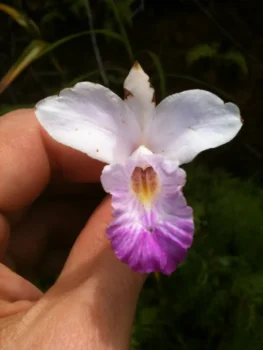
Bamboo Orchid: A Tropical Beauty for Warm Climate Gardens
If you’re looking to add a touch of exotic elegance to your tropical garden, the bamboo orchid might just catch your eye. This striking perennial brings together the graceful appearance of bamboo with the delicate beauty of orchid blooms, creating a unique focal point that’s sure to spark conversation among garden visitors.
What Makes the Bamboo Orchid Special?
The bamboo orchid (Arundina graminifolia) gets its common name from its distinctive bamboo-like stems that can reach impressive heights. Unlike many orchids that are epiphytic (growing on trees), this terrestrial orchid grows directly in the ground, making it more approachable for everyday gardeners. Its purple to pink flowers appear at the stem tips, creating a lovely contrast against the green, reed-like foliage.
This herbaceous perennial falls into the category of forbs – plants that lack significant woody tissue but return year after year. You might also encounter it under its synonym, Arundina bambusifolia, in older gardening references.
Where Does It Grow?
Originally native to Southeast Asia, including Malaysia, Thailand, and Myanmar, the bamboo orchid has found new homes in warm climates around the world. In the United States, you’ll find it established in Hawaii and Puerto Rico, where it has adapted well to local conditions and reproduces naturally.
- Species observed
- No observations
Is the Bamboo Orchid Right for Your Garden?
The bamboo orchid thrives in USDA hardiness zones 9-11, making it suitable only for the warmest regions of the country. If you live in a cooler climate, you might consider growing it in a greenhouse or as a container plant that can be moved indoors during winter.
This plant works beautifully as:
- A specimen plant in tropical garden designs
- An accent in orchid collections
- A backdrop plant due to its height and upright growth
- A conversation starter in exotic plant displays
Growing Conditions and Care
The bamboo orchid has a facultative upland wetland status, meaning it typically prefers well-draining, non-wetland conditions but can tolerate occasional wet periods. Here’s what it needs to thrive:
- Light: Partial shade to bright, filtered sunlight
- Soil: Well-draining, organic-rich soil
- Water: Consistent moisture without waterlogging
- Humidity: High humidity levels (tropical conditions)
- Protection: Shelter from strong winds
Planting and Care Tips
Getting your bamboo orchid established requires attention to its tropical origins. Plant it in a location that receives morning sun but afternoon shade, and ensure the soil drains well to prevent root rot. During the growing season, regular fertilizing will encourage healthy growth and better flowering.
Keep the soil consistently moist but not soggy, and consider mulching around the base to help retain moisture and regulate soil temperature. In areas prone to strong winds, provide some protection as the tall stems can be susceptible to damage.
Wildlife and Pollinator Benefits
One of the delightful aspects of growing bamboo orchids is their ability to attract pollinators, particularly butterflies. The colorful blooms provide nectar sources that can help support local pollinator populations in your garden ecosystem.
Consider Native Alternatives
While the bamboo orchid can be a beautiful addition to appropriate climates, consider exploring native orchid species in your area as well. Native plants often provide better support for local wildlife and are typically easier to establish and maintain. In Hawaii, for example, native orchids and other indigenous plants can offer similar aesthetic appeal while supporting local ecosystems.
Final Thoughts
The bamboo orchid offers tropical gardeners a unique opportunity to grow a terrestrial orchid that’s relatively easy to care for compared to its epiphytic cousins. With proper attention to its growing requirements and climate needs, it can become a stunning feature in warm-climate gardens. Just remember that success with this plant depends heavily on providing the warm, humid conditions it craves – so make sure your garden can meet its tropical expectations before taking the plunge!