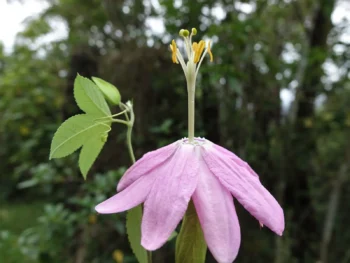
Banana Passionflower: A Beautiful but Problematic Vine
The banana passionflower (Passiflora tarminiana), also known as banana poka, might catch your eye with its lovely pink tubular flowers and promise of edible fruits. But before you fall head over heels for this vigorous climber, there’s something important you need to know: this South American native has earned a reputation as one of the most problematic invasive plants in several U.S. regions.
What is Banana Passionflower?
This perennial climbing vine hails from the Andean regions of South America, including Colombia, Ecuador, Peru, and Bolivia. It’s a vigorous twining plant with soft, fuzzy three-lobed leaves and can quickly scramble up trees, fences, or any support structure it encounters. The plant produces attractive tubular pink flowers that eventually give way to yellow-orange fruits – hence the banana in its common name.
Where Does It Grow?
In the United States, banana passionflower has established populations in California and Hawaii, thriving in USDA hardiness zones 9-11. It prefers cool, moist conditions and can adapt to various light conditions from partial shade to full sun.
- Species observed
- No observations
Why You Should Think Twice Before Planting
Here’s where things get complicated. While banana passionflower might seem like an attractive addition to your garden, it’s considered a serious invasive species, particularly in Hawaii where it’s causing significant ecological damage. This aggressive climber can:
- Smother native trees and plants by blocking sunlight
- Alter forest ecosystems and reduce biodiversity
- Spread rapidly through both seeds and root fragments
- Prove extremely difficult to eradicate once established
The plant’s vigorous growth habit – while initially appealing for quick screening – can quickly turn into a nightmare as it escapes cultivation and invades natural areas.
Native Alternatives to Consider
Instead of risking the ecological consequences of planting banana passionflower, consider these native climbing alternatives:
- For California: California wild grape (Vitis californica) or chaparral honeysuckle (Lonicera interrupta)
- For Hawaii: Native Hawaiian morning glory species or ʻie’ie (Freycinetia arborea)
- Other regions: Native passionflower species like Passiflora lutea or regional native vines
If You Encounter It
If you spot banana passionflower growing wild in your area, consider reporting it to local extension services or invasive species management programs. Early detection and removal can help prevent this aggressive climber from establishing new populations and threatening local ecosystems.
The Bottom Line
While banana passionflower might seem tempting with its attractive flowers and edible fruits, its invasive nature makes it a poor choice for responsible gardeners. The potential for ecological damage far outweighs any ornamental benefits. Stick with native alternatives that will provide beauty to your landscape while supporting local wildlife and ecosystems – your local environment will thank you!