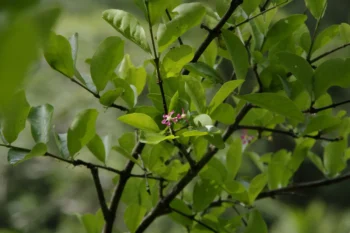
Barbados Cherry: A Tropical Treat for Your Garden
If you’re looking to add a touch of the tropics to your landscape while enjoying homegrown fruit, the Barbados cherry (Malpighia emarginata) might just be the perfect addition. This charming evergreen shrub brings together ornamental beauty and edible rewards in one compact package.
What Exactly Is a Barbados Cherry?
Don’t let the name fool you – the Barbados cherry isn’t actually a true cherry at all! This delightful shrub produces small, bright red fruits that look remarkably similar to cherries, hence the common name. You might also see it referred to by its botanical synonyms Malpighia glabra or Malpighia punicifolia in some older references.
As a perennial shrub, Barbados cherry typically grows as a multi-stemmed woody plant reaching heights of 4 to 5 meters (13 to 16 feet), though it often stays much smaller in cultivation. Its glossy, dark green leaves provide year-round interest, while delicate pink or white flowers bloom throughout the warm months.
Where Does It Come From?
Native to the Caribbean region, Central America, and northern South America, Barbados cherry has made itself at home in warmer parts of the United States. You’ll find it growing in Florida, Puerto Rico, and the U.S. Virgin Islands, where it has naturalized and reproduces without human intervention.
- Species observed
- No observations
Why Consider Growing Barbados Cherry?
There are several compelling reasons why gardeners in suitable climates might want to add this tropical beauty to their landscapes:
- Edible fruits: The bright red cherries are packed with vitamin C and have a sweet-tart flavor perfect for eating fresh or making into jams
- Ornamental value: Year-round glossy foliage, pretty flowers, and colorful fruits make it a triple-threat plant
- Pollinator friendly: The small flowers attract bees and butterflies to your garden
- Compact size: Perfect for smaller spaces, containers, or as part of an edible landscape design
- Low maintenance: Once established, it’s relatively drought tolerant and requires minimal care
Growing Conditions and Care
Barbados cherry thrives in USDA hardiness zones 9b through 11, making it suitable for the warmest parts of the continental United States and tropical territories. Here’s what this sun-loving shrub needs to flourish:
Light and Location
Plant your Barbados cherry in full sun to partial shade. While it can tolerate some shade, you’ll get the best fruit production and most compact growth in bright, sunny locations.
Soil Requirements
Well-draining soil is absolutely essential – this tropical native doesn’t appreciate wet feet. Sandy or loamy soils work well, and the plant is quite adaptable to different soil pH levels.
Watering and Maintenance
During the establishment period, provide regular water to help your Barbados cherry develop a strong root system. Once established, it becomes quite drought tolerant, though consistent moisture will encourage better fruit production. Minimal pruning is needed – just remove any dead or damaged branches and shape as desired.
Landscape Uses
Barbados cherry fits beautifully into several garden styles:
- Tropical and subtropical gardens: A natural fit among other warm-climate plants
- Edible landscapes: Combines food production with ornamental appeal
- Container gardens: Excellent choice for patios and small spaces
- Mixed shrub borders: Adds year-round interest and seasonal fruit
A Word About Native Alternatives
While Barbados cherry is a lovely addition to warm-climate gardens and isn’t considered invasive, gardeners interested in supporting local ecosystems might also consider native alternatives. In Florida, for example, native options like beautyberry (Callicarpa americana) or firebush (Hamelia patens) provide similar ornamental value while offering superior wildlife benefits for local birds and pollinators.
The Bottom Line
If you live in a warm climate and dream of picking your own tropical fruits, Barbados cherry offers an excellent introduction to edible landscaping. Its manageable size, attractive appearance, and delicious fruits make it a worthwhile addition to gardens where it can thrive. Just remember to provide good drainage, plenty of sunshine, and be patient – your first harvest of vitamin C-packed cherries will be worth the wait!