Barbados Shrub: The Leaf-Bearing Cactus That Breaks All the Rules
Meet the Barbados shrub (Pereskia aculeata), a plant that seems to have an identity crisis – and we mean that in the most charming way possible! This fascinating perennial shrub belongs to the cactus family but sports actual leaves instead of the typical spines-and-succulent-pads combo we’re used to. It’s like nature decided to play a little joke on botanists everywhere.
What Makes the Barbados Shrub Special?
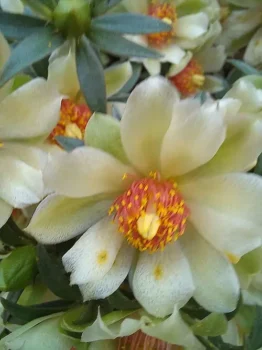
The Barbados shrub is a multi-stemmed woody plant that typically grows 13 to 16 feet tall, though it can stretch even taller under the right conditions. What sets it apart from your average garden shrub is its unique combination of features: thorny stems, succulent-like green leaves, and clusters of fragrant white to pale pink flowers that eventually give way to small, colorful berries ranging from yellow to red.
This plant goes by several scientific names, including Cactus pereskia and Pereskia pereskia, which speaks to its somewhat confusing botanical history. But don’t let the name confusion fool you – this is one distinctive plant once you know what to look for.
Where Does It Come From and Where Does It Grow Now?
Originally native to tropical regions of the Americas, particularly the Caribbean, Central America, and northern South America, the Barbados shrub has made itself at home in warmer parts of the United States. You’ll currently find it growing wild in Florida, Texas, Puerto Rico, and the U.S. Virgin Islands, where it has naturalized and reproduces without human intervention.
- Species observed
- No observations
Should You Plant Barbados Shrub in Your Garden?
Here’s where things get interesting. The Barbados shrub can be an eye-catching addition to tropical and subtropical gardens, but there are some important considerations before you rush to the nursery.
The Good:
- Unique aesthetic appeal with its unusual leaf-bearing cactus appearance
- Fragrant flowers that attract bees and other pollinators
- Drought-tolerant once established
- Can serve multiple roles: climbing vine, hedge, or specimen shrub
- Produces colorful berries that add visual interest
The Considerations:
- It’s not native to the U.S., so it won’t support local ecosystems as effectively as native plants
- Can be aggressive in spreading under ideal conditions
- Thorny stems require careful handling and placement
- Limited cold tolerance (zones 9b-11 only)
Growing Conditions and Care
If you decide to grow Barbados shrub, it’s relatively low-maintenance once you understand its preferences:
Climate Requirements: This plant thrives in USDA hardiness zones 9b through 11. It’s quite frost-sensitive, so if you’re in a marginal zone, consider container growing so you can protect it during cold snaps.
Light and Soil: Full sun to partial shade works best, paired with well-draining soil. Like many cacti family members, it doesn’t appreciate soggy feet, so ensure good drainage to prevent root rot.
Watering: Water regularly during the establishment period, then reduce frequency as the plant becomes drought-tolerant. During dry spells, occasional deep watering will keep it looking its best.
Planting and Maintenance Tips
When planting, choose your location carefully – remember, this shrub can grow quite large and has thorns. Space it appropriately from walkways and areas where people might brush against it. Regular pruning helps control size and shape, but wear thick gloves!
Keep an eye on its spreading tendencies, especially if you live in an area where it could naturalize. Removing spent flowers before they set seed can help prevent unwanted spreading.
Native Alternatives to Consider
If you love the idea of a unique, drought-tolerant shrub but want to support local ecosystems, consider these native alternatives based on your region:
- For Florida: Firebush (Hamelia patens) or Wild lime (Zanthoxylum fagara)
- For Texas: Agarito (Mahonia trifoliolata) or Turk’s cap (Malvaviscus arboreus var. drummondii)
- For general warm climates: Native prickly pear cacti or barrel cacti species
The Bottom Line
The Barbados shrub is undeniably fascinating – a conversation starter that challenges our preconceptions about what a cactus should look like. While it can be successfully grown in appropriate climates, consider whether its unique appeal outweighs the benefits of choosing native plants that better support local wildlife and ecosystems. If you do choose to grow it, do so responsibly by managing its spread and enjoying its quirky charm in your tropical garden paradise.