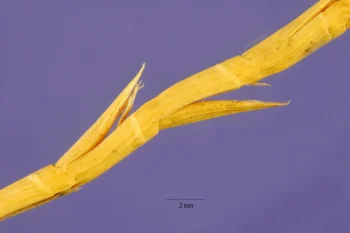
Barbgrass: The Uninvited Guest in Your Garden
Meet barbgrass (Hainardia), a little-known annual grass that has quietly made itself at home in several U.S. states. While you probably haven’t heard of this unassuming plant, it’s worth knowing about – especially if you’re committed to native gardening or simply curious about the plants that might pop up uninvited in your landscape.
What Exactly is Barbgrass?
Barbgrass is a non-native annual grass that originally hails from somewhere outside North America. True to its grass family roots, it’s a graminoid – basically nature’s way of saying it’s a grass or grass-like plant. Think of it as part of that big, happy family that includes familiar grasses, sedges, and rushes.
As an annual, barbgrass completes its entire life cycle in just one year. It sprouts, grows, reproduces, and dies all within a single growing season – though it’s gotten quite good at ensuring the next generation carries on without any help from gardeners.
Where You’ll Find Barbgrass
Barbgrass has established itself in a handful of states across the country, including California, Louisiana, Oregon, South Carolina, and Texas. It’s one of those plants that has figured out how to reproduce and persist in the wild entirely on its own – no human intervention required.
- Species observed
- No observations
Should You Plant Barbgrass?
Here’s the honest truth: barbgrass isn’t going to win any beauty contests in the plant world. While we can’t definitively call it invasive (the jury’s still out on that one), there are several reasons why most gardeners wouldn’t choose to plant it intentionally:
- Limited aesthetic appeal compared to native grass alternatives
- Minimal wildlife benefits
- No significant role in supporting local ecosystems
- Unknown long-term environmental impact
Better Native Alternatives
Instead of barbgrass, consider these beautiful native grass options that will actually support your local ecosystem:
- For California: Purple needlegrass or California fescue
- For Louisiana: Inland sea oats or Gulf muhly
- For Oregon: Pacific bentgrass or red fescue
- For South Carolina: Little bluestem or wiregrass
- For Texas: Buffalo grass or sideoats grama
If You Encounter Barbgrass
Since barbgrass can establish itself naturally, you might find it growing in your area without any invitation from you. If you spot this unassuming annual grass, you can simply leave it be or remove it if you prefer – it’s really a matter of personal preference and your gardening goals.
The key is being intentional about what you choose to plant. While barbgrass isn’t necessarily harmful, choosing native grasses instead will give you more bang for your gardening buck in terms of supporting local wildlife, pollinators, and ecosystem health.
The Bottom Line
Barbgrass falls into that category of plants that exist in our landscapes without causing major problems, but also without contributing much value. As a conscious gardener, you’re better off investing your time, energy, and garden space in native alternatives that will create habitat, support pollinators, and contribute to the health of your local ecosystem.
Remember, every plant choice is an opportunity to make your garden a little more beneficial for the natural world around you!