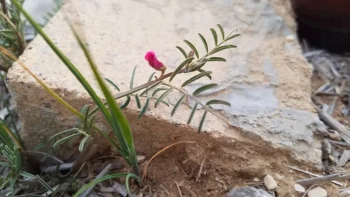
Barn Vetch: A Mediterranean Annual for American Gardens
Meet barn vetch (Vicia monantha), a small but charming annual that’s made its way from the Mediterranean to a few corners of the United States. While you might not find this little legume in every garden center, it’s worth knowing about – especially if you’re curious about diverse plant options or stumble across it in the wild.
What Exactly Is Barn Vetch?
Barn vetch is an annual forb – essentially a non-woody plant that completes its entire life cycle in one growing season. As part of the pea family, it shares those characteristic butterfly-shaped flowers that legumes are famous for. Don’t let the barn in its name fool you; this plant is just as comfortable in gardens as it is in agricultural settings.
You might also see it listed under its synonym, Vicia calcarata, though barn vetch is the name that’s stuck in most circles.
Where Does It Come From and Where Can You Find It?
Originally from the Mediterranean region, barn vetch is what botanists call a non-native species in the United States. It’s been introduced and now reproduces on its own in the wild, though its presence here is quite limited. Currently, you’ll find established populations primarily in New Jersey.
- Species observed
- No observations
The Good, The Bad, and The Beautiful
So, should you plant barn vetch? Here’s the scoop:
The Positives:
- Lovely small purple-pink flowers that attract beneficial insects and small native bees
- As a legume, it fixes nitrogen in the soil, potentially benefiting neighboring plants
- Low-maintenance once established – perfect for hands-off gardeners
- Self-seeding annual that can fill in naturalized areas
Things to Consider:
- It’s not native to North America, so it won’t support native wildlife as effectively as indigenous plants
- Limited information about its long-term behavior in American ecosystems
- May self-seed more than desired in some garden situations
Growing Barn Vetch Successfully
If you decide to grow barn vetch, you’ll find it refreshingly undemanding:
Ideal Conditions:
- Light: Full sun to partial shade
- Soil: Well-drained soils; not picky about soil type
- Hardiness: Suitable for USDA zones 6-9
- Water: Moderate moisture; drought-tolerant once established
Planting and Care Tips:
- Direct sow seeds in fall or early spring
- Barely cover seeds with soil – they need some light to germinate
- Space plants about 6-8 inches apart
- Minimal fertilization needed (remember, it fixes its own nitrogen!)
- Allow some plants to go to seed if you want it to return next year
Garden Design Ideas
Barn vetch works best in:
- Naturalized meadow gardens
- Wildflower mixes for low-maintenance areas
- Transitional zones between cultivated and wild spaces
- Areas where you want seasonal ground cover
Consider Native Alternatives
While barn vetch isn’t problematic, native alternatives will better support local ecosystems. Consider these fantastic native vetches and legumes:
- American vetch (Vicia americana) – gorgeous purple flowers and excellent wildlife value
- Wild lupine (Lupinus perennis) – stunning blue spikes and host plant for endangered butterflies
- Partridge pea (Chamaecrista fasciculata) – cheerful yellow blooms and important for native bees
The Bottom Line
Barn vetch is neither a garden superstar nor a problematic troublemaker – it’s simply a pleasant, low-key annual that can add diversity to naturalized spaces. While it won’t harm your garden, choosing native alternatives will give you similar beauty with the bonus of supporting local wildlife. If you’re committed to growing it, enjoy those charming little flowers and appreciate the nitrogen it’s quietly fixing in your soil!
Remember, the best garden is one that brings you joy while supporting the broader ecosystem. Whether that includes barn vetch or focuses on native alternatives is entirely up to you and your garden goals.