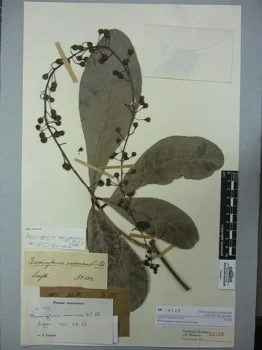
Barringtonia samoensis: A Night-Blooming Beauty for Tropical Gardens
If you’re lucky enough to garden in a warm, coastal climate and love plants that put on a show after dark, Barringtonia samoensis might just be the exotic specimen tree you’ve been searching for. This Pacific Island native brings a touch of tropical paradise to gardens with its striking night-blooming flowers and glossy foliage.
Where Does Barringtonia samoensis Come From?
Barringtonia samoensis is native to the Pacific Islands, particularly thriving in Samoa and other Pacific archipelagos. In its natural habitat, this tree grows along coastal areas where it has adapted to sandy soils and salt spray from ocean breezes.
What Makes This Plant Special?
This tropical beauty is a real showstopper, especially for night owls and those who enjoy evening garden strolls. Here’s what makes it stand out:
- Large, glossy leaves that create beautiful tropical foliage
- Spectacular night-blooming flowers with white to pink petals
- Prominent, brush-like stamens that extend dramatically from the flowers
- Salt tolerance that makes it perfect for coastal gardens
- Attracts fascinating nocturnal pollinators like bats
Is This Plant Right for Your Garden?
Barringtonia samoensis works best as a specimen tree in tropical and subtropical landscapes. It’s particularly well-suited for:
- Coastal gardens where salt tolerance is essential
- Large tropical landscape designs
- Gardens designed for evening enjoyment
- Areas where you want to attract nocturnal wildlife
Keep in mind that this tree needs warm temperatures year-round and isn’t suitable for areas that experience frost.
Growing Conditions and Care
If you live in USDA hardiness zones 10-12, you might be able to successfully grow this Pacific Island native. Here’s what it needs to thrive:
Location and Light
Plant your Barringtonia samoensis in a spot that receives full sun to partial shade. These trees appreciate bright light but can tolerate some afternoon shade in particularly hot climates.
Soil Requirements
Well-draining soil is crucial for success. Sandy soils work particularly well, mimicking the tree’s natural coastal habitat. The plant is quite adaptable to different soil types as long as drainage is good.
Watering and Maintenance
Regular watering helps establish young trees, but mature specimens are relatively drought-tolerant once established. The tree’s natural salt tolerance means you don’t need to worry too much about occasional salt spray if you’re gardening near the ocean.
Wind Protection
While salt-tolerant, Barringtonia samoensis benefits from protection against strong winds, especially when young. Consider planting it in a location with some natural windbreak or provide temporary protection until the tree establishes a strong root system.
Wildlife and Ecological Benefits
One of the most exciting aspects of growing Barringtonia samoensis is the wildlife it attracts. The night-blooming flowers are specially adapted to attract nocturnal pollinators, particularly bats. If you’re interested in creating a garden that supports diverse wildlife and want to observe fascinating nighttime pollination in action, this tree delivers.
The Bottom Line
Barringtonia samoensis is a magnificent choice for gardeners in warm, coastal climates who want something truly special in their landscape. While it requires specific growing conditions and isn’t suitable for cooler climates, it rewards patient gardeners with stunning nighttime displays and the opportunity to support unique pollinator relationships. If you’re designing a tropical garden and have the right climate conditions, this Pacific Island native could become the crown jewel of your landscape.