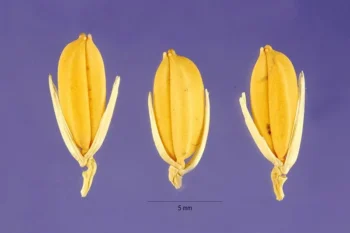
Barth’s Rice: An African Wild Rice Worth Knowing About
Meet Barth’s rice (Oryza barthii), a fascinating wild grass that might not be on your typical gardening radar—but perhaps it should be, at least for educational purposes. This African native belongs to the same genus as the rice that feeds billions of people worldwide, making it a plant with both botanical and cultural significance.
What Exactly Is Barth’s Rice?
Barth’s rice is a wild grass species that grows naturally across West and Central Africa, particularly thriving in countries like Mali, Senegal, and Guinea. You might also see it referred to by its scientific synonym, Oryza breviligulata, in older botanical references. As a member of the grass family (Poaceae), it shares DNA with the cultivated rice varieties we know and love, but maintains its wild characteristics and growing habits.
Where Does It Call Home?
This grass is native to the seasonal wetlands and floodplains of West and Central Africa, where it has adapted to cycles of flooding and drought that define much of the region’s landscape. It’s particularly common in areas that experience seasonal rainfall patterns, growing during wet periods and surviving dry spells.
Should You Grow Barth’s Rice in Your Garden?
Here’s where things get interesting—and a bit challenging. While Barth’s rice isn’t invasive or harmful, it’s also not particularly suited for most North American gardens. Here’s why:
- It requires very specific growing conditions that mimic African wetlands
- The climate needs are quite specialized—warm, humid, with seasonal flooding
- It’s primarily valued for grain production rather than ornamental appeal
- It’s not cold-hardy in most USDA zones
When It Might Make Sense
That said, there are some scenarios where growing Barth’s rice could be worthwhile:
- Educational or ethnobotanical gardens showcasing world food crops
- Specialized collections focusing on rice varieties
- Research purposes or agricultural experimentation
- Very warm, humid climates with controlled water management
Growing Conditions and Care
If you’re determined to try growing Barth’s rice, here’s what you’ll need to know:
Climate Requirements: This plant needs warm temperatures year-round and high humidity. Think tropical or subtropical conditions—it won’t survive freezing temperatures.
Water Needs: Seasonal flooding or consistently moist to wet soil conditions are essential. The plant has adapted to alternating wet and dry periods, so drainage is also important during certain growth phases.
Soil Preferences: Rich, organic soils that can hold moisture work best, similar to what you’d find in natural wetland areas.
Better Native Alternatives for North American Gardens
Unless you’re specifically interested in Barth’s rice for educational or research purposes, consider these native alternatives that offer similar grass-like beauty with better regional adaptation:
- Wild rice (Zizania species) for northern wetland gardens
- Native sedges for moist areas
- Switchgrass for prairie-style plantings
- Blue grama for drier regions
The Bottom Line
Barth’s rice is a fascinating plant with important agricultural and botanical significance, but it’s more of a specialist’s crop than a typical garden plant. If you’re interested in growing food crops from around the world or maintaining an educational collection, it might be worth the challenge. For most gardeners, though, focusing on native grasses that support local wildlife and ecosystems will be more rewarding and successful.
Remember, the best gardens are those that work with local conditions rather than against them—and that usually means choosing plants that naturally belong in your region.