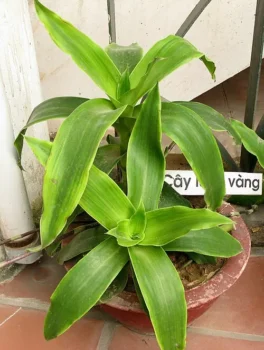
Basketplant: A Trailing Beauty for Your Garden or Home
Meet the basketplant (Callisia fragrans), a charming trailing succulent that’s been winning hearts in gardens and homes across warmer regions of the United States. With its thick, glossy leaves and delicate white flowers, this easy-going plant brings a touch of tropical flair wherever it grows.
What Makes Basketplant Special?
Basketplant is a perennial forb—basically a non-woody plant that comes back year after year. Its scientific name is Callisia fragrans, though you might also see it listed under its older names like Spironema fragrans or Rectanthera fragrans. This trailing beauty gets its common name from its popularity in hanging baskets, where its cascading stems create lovely green waterfalls.
Where You’ll Find Basketplant Growing
Originally hailing from Mexico and Central America, basketplant has made itself at home in several U.S. locations. You’ll find it growing in Florida, Hawaii, Louisiana, Puerto Rico, and the U.S. Virgin Islands, where it reproduces on its own and has become a naturalized part of the landscape.
- Species observed
- No observations
Should You Grow Basketplant in Your Garden?
Here’s the scoop: basketplant isn’t native to the United States, but it’s not considered invasive either. This puts it in a neutral zone where the choice is really yours. If you’re drawn to its easy-care nature and attractive appearance, it can make a lovely addition to your plant collection.
However, if you’re passionate about supporting local ecosystems, consider these native alternatives instead:
- Wild ginger species for shaded areas
- Native sedges for ground cover
- Regional wildflowers for pollinator support
Growing Basketplant Successfully
The great news about basketplant is that it’s wonderfully forgiving. Here’s what you need to know:
Climate and Hardiness
Basketplant thrives in USDA zones 9-11, making it perfect for year-round outdoor growing in subtropical and tropical climates. In cooler areas, it makes an excellent houseplant or can be grown in containers that you bring indoors during winter.
Light and Location
This adaptable plant prefers bright, indirect light. Outdoors, it does well in partial shade, while indoors, a spot near a bright window (but not in direct sunlight) works perfectly.
Soil and Water Needs
Like most succulents, basketplant needs well-draining soil. It’s quite drought-tolerant once established, so it’s better to underwater than overwater. Let the soil dry out between waterings, and you’ll have a happy plant.
Care and Maintenance
Basketplant is refreshingly low-maintenance. It rarely needs fertilizing, and its main requirement is occasional watering. The plant produces small, fragrant white flowers that add a delicate touch to its appearance, though they’re not significant pollinator magnets.
Perfect Plant Roles
Basketplant shines in several garden roles:
- Ground cover in frost-free areas
- Trailing plant in hanging baskets
- Container plant for patios and decks
- Indoor houseplant for bright rooms
The Bottom Line
Basketplant offers easy-care beauty for gardeners who appreciate low-maintenance plants. While it’s not native to the U.S., it’s also not problematic, making it a reasonable choice for those who enjoy its trailing charm. Just remember that choosing native plants when possible helps support local wildlife and maintains regional character in our landscapes.
Whether you decide to grow basketplant or explore native alternatives, the most important thing is creating a garden that brings you joy while being mindful of your local ecosystem.