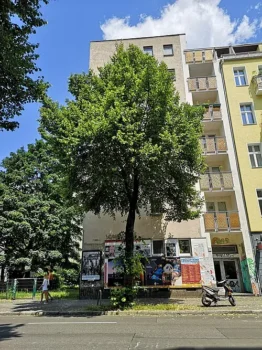
Basswood: The Sweet-Scented Native Shade Tree Your Garden is Missing
If you’re looking for a native tree that combines impressive size, gorgeous foliage, and pollinator-friendly flowers, let me introduce you to basswood (Tilia). This North American native might just be the perfect addition to your landscape – assuming you’ve got the space for its grand presence!
What is Basswood?
Basswood is a large, deciduous tree that can live for centuries when given the right conditions. As a perennial woody plant, it develops a single trunk and typically grows well over 13-16 feet in height, though under certain environmental conditions, it may develop a shorter, multi-stemmed growth form.
The name basswood comes from the tree’s fibrous inner bark, which was historically used to make baskets, rope, and even clothing. Pretty neat for a tree, right?
Where Does Basswood Grow Naturally?
This native beauty has an impressive natural range across North America. You’ll find basswood growing naturally in Alabama, Arkansas, Connecticut, Delaware, District of Columbia, Florida, Georgia, Illinois, Indiana, Iowa, Kansas, Kentucky, Louisiana, Maine, Maryland, Massachusetts, Michigan, Minnesota, Mississippi, Missouri, Nebraska, New Hampshire, New Jersey, New York, North Carolina, North Dakota, Ohio, Oklahoma, Oregon, Pennsylvania, Rhode Island, South Carolina, South Dakota, Tennessee, Texas, Vermont, Virginia, West Virginia, and Wisconsin. In Canada, it thrives in Manitoba, New Brunswick, Nova Scotia, Ontario, Prince Edward Island, Quebec, and Saskatchewan.
- Species observed
- No observations
Why Your Garden (and Local Wildlife) Will Love Basswood
Here’s where basswood really shines – those sweet-smelling flowers aren’t just pretty to look at. When basswood blooms in early summer, it becomes a veritable buffet for pollinators. Bees absolutely go crazy for basswood nectar, and the resulting honey is considered some of the finest you can get. If you’re trying to support local pollinators, this tree is like rolling out the red carpet for them.
As for wildlife, while basswood isn’t a primary food source for most animals, it does provide some dietary variety. Large animals, small mammals, and terrestrial birds all nibble on various parts of the tree, though it typically makes up only 2-10% of their diet. The dense canopy also offers some cover, though animals use it more sparingly than other trees.
The Aesthetic Appeal
Basswood brings serious visual impact to any landscape. The large, heart-shaped leaves with serrated edges create a lush, tropical-looking canopy that provides excellent shade. In fall, the foliage transforms into a beautiful golden yellow before dropping. The tree’s natural form is quite attractive – typically developing a nice rounded crown that’s pleasing to the eye.
Those fragrant clusters of small, yellowish flowers in early summer are a bonus feature that many homeowners don’t expect. They’re not showy from a distance, but up close (and from the incredible fragrance), you’ll definitely notice them.
Is Basswood Right for Your Landscape?
Basswood works best in larger landscapes where it has room to spread out and reach its full potential. Think:
- Large residential properties with plenty of space
- Parks and public spaces
- Naturalistic or woodland garden designs
- Areas where you want to create significant shade
This isn’t typically a tree for small urban lots or tight spaces – it needs room to grow and show off its impressive stature.
Growing Conditions and Care
The good news is that basswood is generally adaptable and not overly fussy about growing conditions. Here’s what it prefers:
- Moist, well-drained soils (though it can tolerate various soil types)
- Partial shade to full sun
- USDA hardiness zones 3-8
- Protection from harsh winds when young
Planting and Care Tips
Plant your basswood in spring or fall when temperatures are moderate. Here are some key care points:
- Water regularly during the first few years while the root system establishes
- Mulch around the base to retain moisture and protect roots
- Minimal pruning needed – just remove dead, damaged, or crossing branches
- Watch for aphids, which can sometimes be a problem (they’re attracted to the sweet sap)
- Be patient – basswood is a moderate grower that will reward your patience with decades of beauty
The Bottom Line
Basswood is a fantastic choice for gardeners with adequate space who want to support native ecosystems and pollinators. It’s relatively low-maintenance once established, provides excellent shade, and offers that wonderful summer fragrance that will have you (and the bees) coming back for more.
Just make sure you’ve got the room for this gentle giant – your future self will thank you when you’re sitting in its cooling shade, listening to the happy buzz of well-fed pollinators above!