Bauhinia: The Butterfly-Leafed Beauty for Tropical Gardens
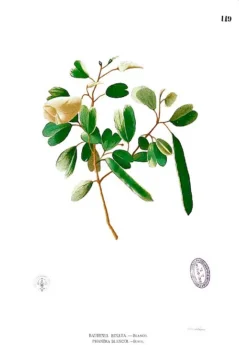
If you’ve ever wondered about those charming shrubs with leaves that look like butterflies landed and decided to stay, you’ve likely encountered Bauhinia binata. This tropical beauty, commonly known simply as bauhinia, brings a touch of exotic flair to warm-climate gardens with its distinctive foliage and eye-catching blooms.
What Makes Bauhinia Special?
Bauhinia binata stands out in the plant world thanks to its unique butterfly-shaped leaves. Each leaf is split into two lobes, creating that unmistakable silhouette that makes this shrub instantly recognizable. But the leaves aren’t the only show-stoppers – this perennial shrub also produces lovely pink to purple flowers that add bursts of color to your landscape.
As a multi-stemmed woody shrub, bauhinia typically grows to a manageable height of 13 to 16 feet, making it perfect for those who want impact without overwhelming their space. While it usually develops several stems from the ground, it can sometimes grow taller or even single-stemmed depending on its environment.
Where Does Bauhinia Come From?
Originally native to Southeast Asia, particularly the Philippines and Indonesia, Bauhinia binata has made itself at home in various tropical locations. Today, you’ll find it growing in places like Guam and Palau, where it has established itself as a non-native species that reproduces naturally in the wild.
- Species observed
- No observations
Is Bauhinia Right for Your Garden?
Before you fall head over heels for those butterfly leaves, consider whether bauhinia fits your gardening situation:
- Climate requirements: This is strictly a warm-weather plant, thriving in USDA hardiness zones 10-12
- Space considerations: Give it room to grow – it can reach 13-16 feet in height and width
- Maintenance level: Generally low-maintenance once established
- Garden style: Perfect for tropical and subtropical landscape designs
Since bauhinia is non-native to most areas where it’s grown, you might also consider native alternatives that provide similar aesthetic appeal while supporting local ecosystems. Research native flowering shrubs in your area that could offer comparable beauty with added ecological benefits.
Growing Bauhinia Successfully
If you’re in the right climate zone and ready to give bauhinia a try, here’s what you need to know:
Ideal Growing Conditions
- Sunlight: Full sun to partial shade
- Soil: Well-draining soil is essential
- Water: Drought tolerant once established, but appreciates regular watering during establishment
- Temperature: Warm temperatures year-round
Planting and Care Tips
Getting your bauhinia off to a good start is pretty straightforward. Plant it in a location with good drainage – soggy roots are not this shrub’s friend. While it can handle some drought once established, regular watering during its first growing season will help it develop a strong root system.
Pruning requirements are minimal, which is great news for busy gardeners. You can do light shaping if desired, but bauhinia generally maintains a nice form on its own.
Benefits for Wildlife and Pollinators
Those pretty flowers aren’t just for show – they’re also pollinator magnets. Butterflies and bees are particularly drawn to bauhinia blooms, making this shrub a valuable addition to pollinator-friendly gardens in tropical zones.
The Bottom Line
Bauhinia binata offers tropical gardeners a relatively low-maintenance way to add exotic appeal to their landscapes. With its distinctive butterfly leaves and attractive flowers, it serves as an excellent specimen plant or focal point in warm-climate gardens. Just remember that if you’re gardening outside of tropical zones, you’ll need to look elsewhere for your butterfly-leafed fix – this beauty simply won’t survive cold winters.
Whether you choose bauhinia or explore native alternatives, the key is selecting plants that thrive in your specific climate while creating the garden aesthetic you love.