Bay (Persea): A Tropical Shrub for Warm Climate Gardens
If you’re looking to add some evergreen tropical flair to your garden, you might have encountered bay plants from the Persea genus. These multi-stemmed woody shrubs bring glossy foliage and a distinctive presence to landscapes, though there are some important considerations before adding them to your garden.
What Exactly Is Bay?
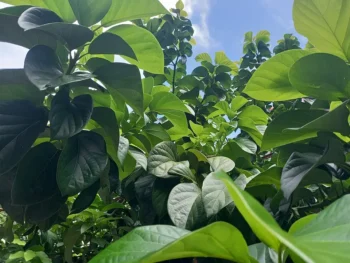
Bay refers to plants in the Persea genus – perennial shrubs that typically grow as multi-stemmed woody plants reaching up to 13-16 feet in height. These evergreen beauties are characterized by their glossy leaves and can develop several stems from or near ground level, creating a full, bushy appearance over time.
Where Does Bay Come From?
Here’s where things get interesting: while Persea species are native to tropical regions of Central and South America, they’re considered non-native throughout most of the United States. These plants have been introduced and now reproduce spontaneously in the wild in many areas, including Hawaii, the Pacific Basin, and the U.S. Virgin Islands.
Currently, you can find bay growing in Alabama, Arkansas, Delaware, Florida, Georgia, Hawaii, Louisiana, Maryland, Mississippi, North Carolina, South Carolina, Texas, Virginia, Palau, Puerto Rico, and the Virgin Islands.
- Species observed
- No observations
Should You Plant Bay in Your Garden?
This is where the decision gets a bit nuanced. Since bay isn’t native to the continental United States but has naturalized in many areas, it sits in that gray zone of introduced plants that aren’t necessarily problematic but aren’t supporting native ecosystems either.
The Case for Bay:
- Provides year-round evergreen interest
- Relatively low maintenance once established
- Can serve as an attractive privacy screen or specimen plant
- Adapts well to warm, humid climates
The Case Against Bay:
- Doesn’t support native wildlife and pollinators as effectively as native plants
- May spread beyond your garden in suitable climates
- Takes up space that could be used for native species
Native Alternatives to Consider
If you’re drawn to bay’s evergreen shrub qualities, consider these native alternatives that provide similar benefits while supporting local ecosystems:
- Native hollies (Ilex species) for evergreen screening
- Native viburnums for multi-season interest
- Regional native shrubs that match your specific growing conditions
Growing Bay Successfully
If you do decide to grow bay, here’s what you need to know to keep it happy:
Climate Requirements
Bay thrives in USDA hardiness zones 9-11, where temperatures rarely drop below 20°F. In zone 8, you might get away with growing it with winter protection, but expect some cold damage during harsh winters.
Growing Conditions
These shrubs prefer:
- Well-draining soil (they don’t like wet feet)
- Partial to full sun exposure
- Consistent moisture during the growing season
- Protection from strong winds
Planting and Care Tips
When planting bay, choose a location with good air circulation and well-draining soil. Water regularly during establishment, but avoid overwatering once the plant is settled. Prune lightly to maintain shape, and in marginal climates, consider container growing so you can protect plants during cold snaps.
The Bottom Line
Bay can be an attractive addition to warm climate gardens, offering reliable evergreen presence and relatively easy care. However, as environmentally conscious gardeners, we might want to prioritize native plants that better support local wildlife and ecosystems. If you do choose to grow bay, plant it responsibly and consider it just one part of a diverse landscape that primarily features native species.
Remember, the best garden is one that reflects both your personal style and your commitment to supporting the natural world around you. Whether that includes bay or not is ultimately your choice to make!