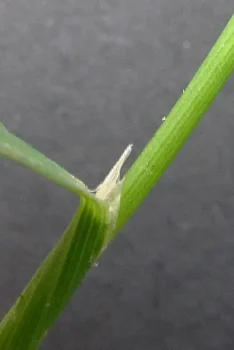
Beardless Rabbitsfoot Grass: A Non-Native Perennial for Wet Gardens
If you’ve stumbled across the name beardless rabbitsfoot grass and wondered what this quirky-sounding plant is all about, you’re in for an interesting discovery. Scientifically known as Polypogon viridis, this delicate perennial grass has quietly made itself at home across much of North America, despite its foreign origins.
What Exactly is Beardless Rabbitsfoot Grass?
Beardless rabbitsfoot grass is a fine-textured perennial grass that creates soft, wispy seed heads reminiscent of—you guessed it—a rabbit’s foot, just without the prominent bristles (hence beardless). This non-native species originally hails from the Mediterranean region and parts of Europe, Asia, and North Africa, but has established populations across a surprising range of North American locations.
You might also encounter this grass under several scientific aliases, including Agrostis semiverticillata, Agrostis verticillata, or Polypogon semiverticillatus—botanists do love their name changes!
Where Does It Grow?
This adaptable grass has spread far and wide since its introduction to North America. You can find established populations in British Columbia, Arizona, California, Colorado, Connecticut, Hawaii, Nevada, New Jersey, New Mexico, Oklahoma, Oregon, South Carolina, Texas, Utah, Virginia, Washington, Wyoming, and Puerto Rico. That’s quite the travel record for a little grass!
- Species observed
- No observations
The Wetland Connection
Here’s where things get interesting: beardless rabbitsfoot grass has a strong affinity for wet places. Across most regions, it’s classified as a facultative wetland plant, meaning it usually hangs out in wetlands but can occasionally venture into drier areas. In Hawaii, it’s more flexible about its moisture requirements, while in the Caribbean, it actually prefers non-wetland areas but can tolerate some moisture.
Should You Plant It in Your Garden?
This is where we need to have an honest conversation. While beardless rabbitsfoot grass isn’t listed as invasive or noxious, it is a non-native species that has naturalized across much of North America. Here are some considerations:
Potential Benefits:
- Low-maintenance perennial once established
- Attractive, fine-textured foliage
- Soft, delicate seed heads add visual interest
- Useful for erosion control near water features
- Tolerates a range of moisture conditions
Things to Consider:
- Non-native origin means limited ecological benefits
- May self-seed and spread beyond intended areas
- Provides less wildlife value than native grass alternatives
- Takes up space that could support native species
Growing Conditions and Care
If you do decide to grow beardless rabbitsfoot grass, it’s refreshingly undemanding. This grass thrives in moist to wet soils and performs well in full sun to partial shade. It’s generally hardy in USDA zones 6-10, making it suitable for most temperate climates.
The plant prefers consistent moisture, making it an excellent choice for rain gardens, pond margins, or other areas with reliable water access. Once established, it requires minimal care beyond occasional watering during dry spells.
Native Alternatives Worth Considering
Before you settle on beardless rabbitsfoot grass, consider these native alternatives that provide similar aesthetic appeal with greater ecological benefits:
- Rice cutgrass (Leersia oryzoides) – A native wetland grass with delicate seed heads
- Fowl bluegrass (Poa palustris) – Fine-textured native grass for moist areas
- Red fescue (Festuca rubra) – Native fine-leaf grass, excellent for naturalized areas
- Tufted hairgrass (Deschampsia cespitosa) – Ornamental native with beautiful seed heads
The Bottom Line
Beardless rabbitsfoot grass is an adaptable, low-maintenance perennial that can work in specific landscape situations, particularly if you need erosion control near water features or want to naturalize wet areas. However, as responsible gardeners, we should always consider native alternatives first—they provide the same aesthetic benefits while supporting local ecosystems and wildlife.
If you do choose to plant it, be mindful of its potential to self-seed and monitor its spread. And remember, there’s a whole world of beautiful native grasses waiting to be discovered that can provide the same visual appeal with the added bonus of supporting local birds, butterflies, and beneficial insects.