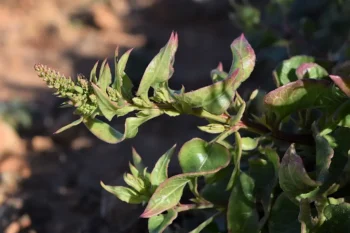
The Mystery of Beta patellaris: When Plant Names Leave Us Puzzled
Every now and then in the world of native gardening, we encounter a plant name that sends us down a rabbit hole of research—and Beta patellaris is exactly that kind of botanical mystery. While the common name beet might make you think of the familiar garden vegetable, this particular species presents quite the puzzle for gardeners and botanists alike.
What We Know (And Don’t Know) About Beta patellaris
Here’s where things get interesting: despite extensive searching through botanical databases, scientific literature, and horticultural resources, reliable information about Beta patellaris as a distinct species is remarkably scarce. This raises some important questions about whether this name represents a valid species, a regional variant, or perhaps a name that’s been misapplied over time.
The genus Beta does include several well-known species, most famously Beta vulgaris (the common beet that gives us both table beets and sugar), but Beta patellaris doesn’t appear in the major reference works that document the Beta genus.
The Challenge of Uncertain Plant Identity
When we can’t definitively identify a plant or verify its existence in current botanical literature, it becomes impossible to provide reliable growing advice. Without confirmed information about:
- Native range and geographical distribution
- Growing conditions and hardiness zones
- Growth habits and mature size
- Ecological benefits and wildlife value
- Potential invasive characteristics
We simply can’t recommend whether or how to grow this plant responsibly.
What This Means for Gardeners
If you’ve encountered the name Beta patellaris somewhere—perhaps in an old plant list, a regional flora, or a seed catalog—here’s what we recommend:
- Double-check the plant identification with local botanical experts or your extension office
- Verify the scientific name against current botanical databases
- Consider whether the plant might be a regional common name for a different Beta species
- Look into well-documented native alternatives in the Beta genus if you’re interested in native beet relatives
Reliable Alternatives to Consider
If you’re interested in native plants related to beets or looking for similar ecological functions, consider researching well-documented native species in your area that belong to the same plant family (Amaranthaceae, formerly Chenopodiaceae). Your local native plant society or extension office can help you identify native alternatives that provide similar benefits with known growing requirements.
The world of native plants is vast and sometimes mysterious, but when uncertainty exists, it’s always better to choose plants with well-documented native status and growing requirements. This ensures you’re making the best choices for both your garden and the local ecosystem.