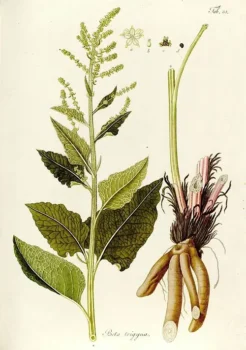
The Mysterious Beta trigyna: A Lesser-Known Member of the Beet Family
If you’ve stumbled upon the name Beta trigyna in your plant research, you might be scratching your head wondering exactly what this mysterious member of the beet family is all about. Don’t worry – you’re not alone in your confusion! This particular species is one of those botanical enigmas that even seasoned gardeners rarely encounter.
What We Know About Beta trigyna
Beta trigyna, sometimes called simply beet, belongs to the same genus as the familiar garden beets and Swiss chard we all know and love. You might also see it referenced by its synonym, Beta corolliflora Zosimovic ex Buttler, though that’s quite a mouthful for casual conversation!
Here’s where things get interesting (and a bit frustrating): Beta trigyna is somewhat of a botanical mystery. Unlike its well-documented cousins, this species has very little available information in mainstream horticultural literature.
The Challenge of Growing the Unknown
As much as we’d love to give you the complete growing guide for Beta trigyna, the reality is that specific cultivation information for this species is extremely limited. We don’t have reliable data about:
- Its native geographical range
- Preferred growing conditions
- USDA hardiness zones
- Height, width, or growth habits
- Pollinator or wildlife benefits
- Invasive or conservation status
Should You Try to Grow Beta trigyna?
Given the lack of available information, we’d recommend proceeding with caution if you’re considering adding Beta trigyna to your garden. Without knowing its native status, growing requirements, or potential impacts, it’s difficult to provide responsible growing advice.
If you’re drawn to the Beta genus, consider these well-documented alternatives instead:
- Common garden beets (Beta vulgaris) – excellent for both roots and greens
- Swiss chard (Beta vulgaris subsp. cicla) – beautiful, colorful foliage
- Sea beet (Beta vulgaris subsp. maritima) – the wild ancestor of garden beets
The Bottom Line
Beta trigyna remains one of those plants that’s more of a botanical curiosity than a garden staple. Until more research becomes available about its characteristics, native range, and cultivation requirements, it’s probably best admired from afar rather than planted in your backyard.
If you do happen to have reliable information about Beta trigyna or have encountered it in the wild, consider contributing to botanical databases or contacting your local native plant society – every bit of knowledge helps solve these botanical mysteries!
Sometimes the most honest answer a gardener can give is we just don’t know enough yet – and that’s perfectly okay. There’s always another fascinating plant waiting to be discovered and properly documented.