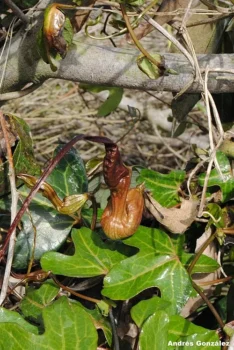
Bejuco de Santiago: A Tropical Climbing Vine for Warm Climate Gardens
If you’re looking to add some tropical flair to your garden, you might have come across bejuco de santiago (Aristolochia trilobata). This vigorous climbing vine brings an exotic touch to landscapes, but before you plant it, let’s explore what makes this species tick and whether it’s the right choice for your garden.
What is Bejuco de Santiago?
Bejuco de santiago is a perennial climbing vine that’s quite the character in the plant world. This twining plant produces relatively long stems that can be either woody or herbaceous, depending on growing conditions. What really sets it apart are its distinctive three-lobed leaves and unusual pipe-shaped flowers that come in rich maroon and burgundy tones.
Where Does It Come From?
While bejuco de santiago grows in Puerto Rico and the U.S. Virgin Islands, it’s actually not native to these areas. This species is a non-native plant that has been introduced and now reproduces spontaneously in the wild, persisting without human help in both Puerto Rico and the U.S. Virgin Islands.
- Species observed
- No observations
Growing Conditions and Care
If you’re considering growing bejuco de santiago, here’s what you need to know about keeping it happy:
- Climate: Thrives in USDA hardiness zones 9-11
- Light: Prefers partial shade to full sun
- Soil: Well-draining soil is essential
- Water: Moderate moisture during the growing season
- Support: Needs a sturdy trellis, fence, or arbor to climb
Wetland Tolerance
Interestingly, bejuco de santiago has a Facultative Wetland status in the Caribbean region. This means it usually occurs in wetlands but can also thrive in non-wetland areas, making it quite adaptable to different moisture conditions.
Garden Design and Landscape Use
This climbing vine can serve several purposes in your landscape design:
- Create natural privacy screens on fences or trellises
- Add vertical interest to garden structures
- Provide tropical foliage texture in warm climate gardens
- Work well in butterfly gardens as a host plant
Pollinator and Wildlife Benefits
The unusual pipe-shaped flowers of bejuco de santiago attract flies and other small insects. More importantly for butterfly enthusiasts, this plant serves as a host for certain butterfly species, making it a valuable addition to pollinator-friendly gardens.
Things to Consider
Before planting bejuco de santiago, keep in mind that it can be quite an aggressive grower. You’ll want to provide it with plenty of space and be prepared to manage its growth with regular pruning. Since it’s non-native to many areas where it’s grown, consider whether a native climbing vine might better serve your local ecosystem.
Native Alternatives to Consider
While bejuco de santiago can be an attractive addition to tropical gardens, you might want to explore native climbing vines that would provide similar aesthetic appeal while supporting local wildlife. Research native vines in your area that offer comparable climbing habits and foliage interest.
The Bottom Line
Bejuco de santiago is a vigorous climbing vine that can add tropical character to warm climate gardens. While it’s not native to many areas where it’s cultivated, it’s not currently listed as invasive either. If you choose to grow it, provide adequate support, monitor its growth, and consider pairing it with native plants to create a balanced garden ecosystem. Just remember – with great climbing power comes great responsibility for pruning!