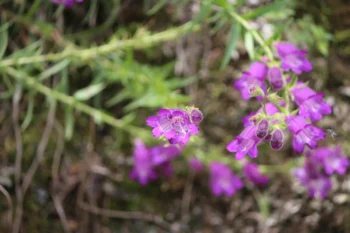
Bellflower Beardtongue: A Charming Mexican Native for Your Garden
If you’ve been searching for a perennial that combines stunning tubular flowers with hummingbird-attracting power, bellflower beardtongue (Penstemon campanulatus) might just be the plant you’re looking for. This delightful Mexican native brings a touch of south-of-the-border charm to gardens with its bell-shaped blooms and reliable performance.
What Makes Bellflower Beardtongue Special?
Bellflower beardtongue is a perennial forb herb that produces clusters of tubular, bell-shaped flowers in gorgeous shades of purple, pink, and violet. The flowers bloom from late spring through fall, creating a long-lasting display that keeps both gardeners and pollinators happy. As a member of the Penstemon family, it shares the characteristic bearded lower lip that gives beardtongues their common name.
This plant is native to Mexico, particularly the central and southern regions, where it thrives in mountainous areas with well-draining soils. While it’s not native to the United States, it has found a home in gardens across warmer zones.
Why Grow Bellflower Beardtongue?
There are several compelling reasons to consider adding this plant to your garden:
- Hummingbird magnet: The tubular flowers are perfectly designed for hummingbird feeding
- Long blooming season: Flowers appear from late spring through fall
- Drought tolerance: Once established, it requires minimal watering
- Low maintenance: This tough perennial is relatively pest and disease-free
- Pollinator support: Attracts bees, butterflies, and hummingbirds
Perfect Garden Settings
Bellflower beardtongue shines in several garden styles:
- Pollinator gardens: Essential for attracting hummingbirds and other beneficial insects
- Xeriscape gardens: Excellent drought tolerance makes it perfect for water-wise landscapes
- Rock gardens: Thrives in well-draining, rocky conditions
- Cottage gardens: Adds informal charm with its colorful blooms
- Border plantings: Works well as a mid-height perennial in mixed borders
Growing Conditions and Care
Success with bellflower beardtongue comes down to getting the basics right:
Hardiness: Suitable for USDA zones 8-10, where it can survive mild winters.
Light requirements: Performs best in full sun to partial shade, with at least 6 hours of direct sunlight daily.
Soil needs: Well-draining soil is absolutely crucial. This plant cannot tolerate wet feet and will quickly succumb to root rot in heavy, poorly drained soils. Sandy or rocky soils work particularly well.
Water requirements: Water regularly during the first growing season to help establish a strong root system. Once established, it becomes quite drought-tolerant and actually performs better with less water rather than more.
Planting and Care Tips
Getting your bellflower beardtongue off to a good start is straightforward:
- Timing: Plant in spring after the last frost date
- Spacing: Allow 12-18 inches between plants for good air circulation
- Soil preparation: Amend heavy soils with sand or gravel to improve drainage
- Watering: Water deeply but infrequently once established
- Deadheading: Remove spent flowers to encourage continued blooming
- Winter care: In zone 8, provide some winter protection with mulch
Consider Native Alternatives
While bellflower beardtongue is a lovely plant, gardeners interested in supporting local ecosystems might consider native Penstemon species instead. Native beardtongues like Penstemon digitalis (foxglove beardtongue) or Penstemon barbatus (scarlet beardtongue) offer similar benefits while supporting local wildlife that has evolved alongside these plants. Check with your local native plant society to discover which Penstemon species are native to your specific region.
The Bottom Line
Bellflower beardtongue brings reliable color, hummingbird appeal, and drought tolerance to gardens in warmer zones. While it’s not native to the United States, it’s also not considered invasive, making it a reasonable choice for gardeners who appreciate its unique qualities. Just remember that well-draining soil is the key to success – get that right, and you’ll enjoy years of beautiful blooms and visiting hummingbirds.