Bellflower African Cornlily: A Colorful Spring Bulb for Mediterranean Gardens
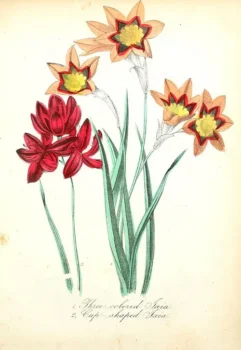
If you’re looking to add a splash of vibrant color to your spring garden, the bellflower African cornlily (Ixia campanulata) might just be the eye-catching bulb you’ve been searching for. This perennial forb brings South African charm to American gardens with its distinctive bell-shaped blooms and easy-going nature.
What Is Bellflower African Cornlily?
Bellflower African cornlily is a non-native perennial that has made itself at home in parts of California. Originally from the Cape region of South Africa, this herbaceous plant belongs to the iris family and produces stunning spring flowers that range from bright orange to red and yellow. You might also see it listed under its botanical synonym, Ixia speciosa Andrews.
As a forb, this plant lacks woody stems and dies back to underground bulbs during its dormant period. It’s perfectly adapted to a Mediterranean climate with wet winters and dry summers – much like its native South African home.
Where Does It Grow?
In the United States, bellflower African cornlily has established populations in California, where the Mediterranean climate suits its needs perfectly. The plant reproduces on its own in the wild and has proven quite persistent in suitable habitats.
- Species observed
- No observations
Garden Appeal and Design Role
What makes this plant special? Those gorgeous bell-shaped flowers are definitely the star of the show. Blooming in spring, they create vibrant splashes of color that can brighten up any garden corner. The flowers are particularly striking when planted in drifts or allowed to naturalize in larger areas.
In landscape design, bellflower African cornlily works wonderfully as:
- An accent plant for spring color displays
- A naturalizing bulb for Mediterranean-style gardens
- A rock garden specimen
- Part of a drought-tolerant plant palette
Growing Conditions and Care
This South African native thrives in conditions that mimic its homeland. Here’s what it needs to flourish:
Climate: Best suited for USDA hardiness zones 9-11, where winters are mild and summers are dry.
Sunlight: Full sun is essential for the best flowering and healthy growth.
Soil: Well-drained soil is crucial – these bulbs will rot in waterlogged conditions. Sandy or rocky soils work particularly well.
Water: Moderate water during the growing season (fall through spring), but keep things dry during summer dormancy.
Planting and Care Tips
Getting started with bellflower African cornlily is relatively straightforward:
- Plant bulbs in fall, about 2-3 inches deep and 3-4 inches apart
- Choose a sunny, well-drained location
- Water regularly during the growing season but reduce watering as foliage begins to yellow
- Allow leaves to die back naturally – they’re feeding the bulb for next year’s show
- Avoid summer irrigation once the plant goes dormant
- Divide clumps every few years if they become overcrowded
Benefits to Pollinators
The nectar-rich flowers of bellflower African cornlily are quite attractive to bees and other pollinators during its spring blooming period. This makes it a useful addition to pollinator gardens, especially in areas where few other plants are flowering.
Should You Plant It?
Bellflower African cornlily can be a delightful addition to the right garden setting. It’s particularly well-suited for gardeners in Mediterranean climates who appreciate low-maintenance bulbs with showy spring flowers. However, since it’s not native to North America, you might also consider some beautiful native alternatives.
For those preferring native plants, consider these alternatives that offer similar spring color:
- Native California bulbs like Brodiaea or Camassia
- Regional wildflowers that bloom in spring
- Native iris species for your area
Whether you choose bellflower African cornlily or a native alternative, the key is selecting plants that thrive in your local conditions and contribute to a healthy, vibrant garden ecosystem. With proper care and the right location, this charming South African can bring years of spring color to your landscape.