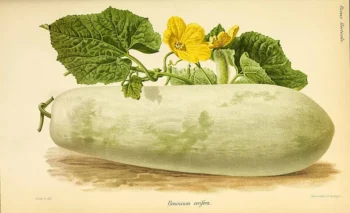
Benincasa: The Climbing Wonder You’ve Probably Never Heard Of
Meet benincasa, a fascinating climbing plant that’s been quietly making its way around tropical gardens. While it might not be the most famous vine in the gardening world, this annual climber has some interesting characteristics that might just surprise you.
What Exactly Is Benincasa?
Benincasa is a vigorous annual vine that loves to climb, twist, and scramble its way up whatever support you give it. Think of it as nature’s version of a green curtain – it’s a twining plant with relatively long stems that can be either woody or herbaceous, depending on growing conditions.
This isn’t a native plant if you’re gardening in most places. It’s actually a non-native species that has been introduced to various regions and has shown it can reproduce on its own in the wild, particularly in Hawaii and other Pacific Basin areas. You’ll find it growing in Hawaii and Palau, where it has established itself quite successfully.
- Species observed
- No observations
The Good, The Bad, and The Climbing
So, should you consider growing benincasa in your garden? Here’s what you need to know:
The Appeal
- Fast-growing annual that provides quick coverage
- Attractive climbing habit perfect for covering fences or trellises
- Produces flowers that can attract pollinators to your garden
- Adds tropical flair to warm-climate gardens
The Considerations
- As a non-native plant, it won’t support local ecosystems like native alternatives would
- Requires substantial support due to its vigorous growth habit
- Only suitable for warm climates (USDA zones 9-11)
- May self-seed and spread beyond where you initially planted it
Growing Benincasa Successfully
If you decide to give benincasa a try, here’s how to set it up for success:
Location and Conditions
Benincasa thrives in full sun and warm temperatures. It’s definitely a heat-lover, so don’t bother trying to grow it if you experience cool summers or frost. The plant prefers well-drained soil and needs consistent moisture throughout the growing season.
Support Systems
This is crucial – benincasa needs strong, sturdy support. We’re talking robust trellises, arbors, or fencing that can handle a vigorous climbing vine. Don’t underestimate how much this plant can grow in a single season!
Care and Maintenance
- Provide regular watering, especially during dry spells
- Ensure your support structure is secure before the plant gets too large
- Monitor growth and prune if it starts spreading where you don’t want it
- Remove spent flowers to prevent unwanted self-seeding
Consider Native Alternatives
While benincasa can be an interesting addition to tropical gardens, consider exploring native climbing plants for your area first. Native vines will provide better support for local wildlife, require less maintenance once established, and integrate more naturally into your local ecosystem.
Some regions have wonderful native climbing alternatives that offer similar coverage with added benefits for birds, butterflies, and other wildlife. Check with your local native plant society or extension office for recommendations specific to your area.
The Bottom Line
Benincasa is an intriguing climbing annual that can add quick coverage and tropical appeal to warm-climate gardens. While it’s not invasive in most areas, its non-native status means it won’t provide the ecological benefits of native alternatives. If you choose to grow it, do so responsibly – provide strong support, monitor its spread, and consider it more of a novelty than a cornerstone of your landscape design.
Happy gardening, and remember – sometimes the most interesting plants are the ones you’ve never heard of before!