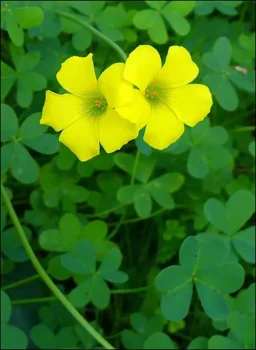
Bermuda Buttercup: A Cheerful Winter Bloomer with a Complicated Reputation
If you’ve ever spotted carpets of bright yellow flowers blooming in the dead of winter, you’ve likely encountered Bermuda buttercup (Oxalis pescaprae). This cheerful little plant has won hearts with its sunny disposition and timing, but it comes with some baggage that every gardener should understand before welcoming it into their landscape.
What is Bermuda Buttercup?
Bermuda buttercup, also known scientifically as Oxalis pescaprae, is a perennial forb that puts on quite a show when most other plants are taking their winter nap. Despite its common name suggesting a connection to Bermuda, this plant actually hails from South Africa’s Cape Province. You might also see it listed under its synonyms Oxalis cernua or Bolboxalis cernua in older gardening references.
As a non-native species, Bermuda buttercup has established itself across several U.S. states, reproducing spontaneously in the wild. Currently, you’ll find naturalized populations in Arizona, California, and Florida.
- Species observed
- No observations
The Appeal: Why Gardeners Love It
There’s no denying Bermuda buttercup’s charm. Here’s what makes it attractive to gardeners:
- Brilliant yellow, five-petaled flowers that brighten winter and spring gardens
- Distinctive clover-like leaves with three heart-shaped leaflets
- Low-growing, mat-forming habit perfect for ground cover
- Blooms when most other plants are dormant
- Attracts bees and other beneficial pollinators during sparse flowering seasons
- Drought tolerant once established
Where and How to Grow Bermuda Buttercup
If you decide to grow Bermuda buttercup, it thrives in USDA hardiness zones 8-11. This Mediterranean climate lover prefers:
- Full sun to partial shade locations
- Well-draining soil (heavy clay is not its friend)
- Cool, moist winters for optimal blooming
- Dry summer conditions during its dormant period
Planting and Care Tips
Growing Bermuda buttercup successfully means working with its natural rhythm:
- Plant bulbs in fall for winter and spring blooms
- Water regularly during the growing season (fall through spring)
- Reduce watering dramatically in summer when the plant goes dormant
- Allow foliage to die back naturally to nourish the bulbs
- Expect minimal maintenance once established
A Word of Caution
Here’s where things get complicated. Bermuda buttercup spreads not only by seed but also through underground bulbs and tiny bulbils that can detach and create new plants. In ideal conditions, it can become quite aggressive, potentially overwhelming native plants and disrupting local ecosystems. While its invasive status varies by region, responsible gardeners should consider this spreading tendency carefully.
Native Alternatives to Consider
If you love the idea of cheerful yellow winter blooms but want to support native ecosystems, consider these alternatives:
- Desert marigold (Baileya multiradiata) for southwestern gardens
- California poppy (Eschscholzia californica) for western regions
- Lanceleaf coreopsis (Coreopsis lanceolata) for broader geographic ranges
- Black-eyed Susan (Rudbeckia species) for extended bloom periods
The Bottom Line
Bermuda buttercup offers undeniable winter beauty and requires minimal care, making it tempting for gardeners seeking easy color during the dormant season. However, its potential to spread aggressively means it’s worth weighing the benefits against possible ecological impacts. If you choose to grow it, consider container planting to limit its spread, or better yet, explore native alternatives that can provide similar beauty while supporting local wildlife and ecosystems.
Whatever you decide, remember that the best gardens are those that bring joy to their caretakers while respecting the broader natural community around them.