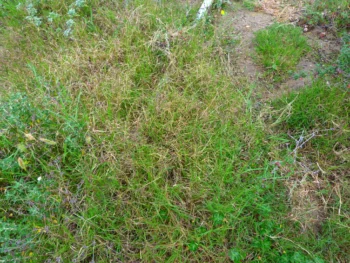
Bermudagrass: The Tough-as-Nails Turf Grass for Warm Climates
If you’re looking for a grass that laughs in the face of drought and keeps on growing, you might want to get acquainted with Bermudagrass (Cynodon dactylon var. dactylon). This perennial graminoid has earned quite a reputation as one of the most resilient turf grasses around, though it comes with its own set of considerations for the thoughtful gardener.
What Exactly Is Bermudagrass?
Bermudagrass is a fine-textured, dense perennial grass that belongs to the graminoid family – basically, it’s a true grass that forms thick, carpet-like turf. Originally hailing from Africa and parts of Asia, this hardy plant has made itself at home in warm climates around the world, including parts of the Pacific Basin.
Where You’ll Find It Growing
In terms of its current distribution, Bermudagrass has established itself in Guam and Palau, where it reproduces and persists without human intervention. As a non-native species that’s been introduced to these areas, it’s found its niche in the Pacific Basin ecosystem (excluding Hawaii).
- Species observed
- No observations
The Appeal Factor
Let’s be honest – Bermudagrass isn’t winning any beauty contests, but it’s got other things going for it. This grass forms a dense, bright green carpet that can handle serious foot traffic. It’s the kind of turf that bounces back from kids playing soccer, dogs running around, and general wear and tear that would make other grasses wave the white flag.
Where Bermudagrass Shines (And Where It Doesn’t)
Bermudagrass is primarily a turf grass, plain and simple. It’s best suited for:
- Lawns in warm, sunny locations
- Sports fields and high-traffic areas
- Drought-tolerant landscape designs
- Areas where you need tough, durable ground cover
However, it’s not the best choice for shade gardens, formal landscapes, or areas where you want a more diverse ecosystem. Since it’s wind-pollinated, it offers minimal benefits to pollinators like bees and butterflies.
Growing Conditions and Care
If you decide to grow Bermudagrass, here’s what it needs to thrive:
- Sun: Full sun is essential – this grass struggles in shade
- Soil: Well-draining soil is preferred, but it’s quite adaptable
- Water: Drought tolerant once established, but needs regular watering during establishment
- Climate: Thrives in USDA hardiness zones 7-11 as a warm-season grass
Planting and Care Tips
Getting Bermudagrass established is relatively straightforward:
- Plant from seed, sod, or plugs in late spring when soil temperatures warm up
- Keep soil consistently moist during the first few weeks until roots establish
- Once established, it becomes remarkably drought tolerant
- Regular mowing will keep it looking its best and prevent it from becoming too aggressive
Things to Consider
Before you rush out to plant Bermudagrass, remember that it’s a non-native species. While it can certainly serve a purpose in the right setting, consider exploring native grass alternatives that might provide similar benefits while supporting local ecosystems. Native grasses often offer better wildlife habitat and require fewer resources once established in their home environment.
If you do choose Bermudagrass, be mindful of its growth habits and manage it responsibly to prevent it from spreading beyond your intended planting area.
The Bottom Line
Bermudagrass is like that reliable friend who’s always there when you need them – maybe not the most exciting, but dependable and tough when the going gets rough. It’s perfect for specific situations where durability and drought tolerance are priorities, but it’s worth exploring native alternatives that might offer additional ecological benefits for your local environment.