Biddy-Biddy: A New Zealand Ground Cover for Coastal Gardens
If you’ve ever walked through a coastal area in California or Oregon and found mysterious burr-like seeds stuck to your socks, you’ve likely encountered biddy-biddy (Acaena novaezelandiae). This low-growing New Zealand native has made itself at home along parts of the West Coast, creating carpets of feathery foliage in unexpected places.
What is Biddy-Biddy?
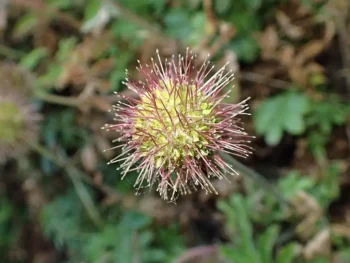
Biddy-biddy is a perennial forb that forms dense, spreading mats close to the ground. Unlike woody shrubs or trees, this herbaceous plant lacks significant woody tissue and regenerates from buds at or below ground level each growing season. Its compound leaves create an almost fern-like texture, while its claim to fame comes from the small, spiky seed heads that seem magnetically attracted to anything that brushes past them.
Where You’ll Find It
Originally from New Zealand, biddy-biddy has established itself in California and Oregon, where it thrives in coastal conditions. This non-native plant reproduces readily in the wild and has adapted well to Pacific Coast environments.
- Species observed
- No observations
Garden Appeal and Characteristics
Biddy-biddy offers several interesting qualities for gardeners:
- Forms dense, low-growing mats perfect for ground cover
- Tolerates poor soils and coastal conditions
- Requires minimal maintenance once established
- Provides unique texture with its compound, feathery leaves
- Drought tolerant after establishment
However, gardeners should be aware that this plant can spread aggressively and may require management to prevent it from overtaking desired areas.
Growing Conditions and Care
Biddy-biddy is surprisingly adaptable and low-maintenance:
- Sunlight: Tolerates partial shade to full sun
- Soil: Adapts to poor soils and various soil types
- Water: Drought tolerant once established
- Climate: Hardy in USDA zones 7-10
- Maintenance: Minimal care required
Best Garden Uses
Biddy-biddy works well in:
- Coastal gardens where salt tolerance is important
- Rock gardens and naturalized areas
- Informal landscapes where spreading is acceptable
- Areas with poor soil where other plants struggle
Things to Consider
Before planting biddy-biddy, keep these points in mind:
- It can spread aggressively and may require regular management
- The burr-like seeds can be a nuisance, sticking to clothing and pet fur
- As a non-native species, it doesn’t provide the same ecological benefits as indigenous plants
- Its small flowers offer minimal value to pollinators
Native Alternatives to Consider
If you’re interested in supporting local ecosystems, consider these native ground covers instead:
- Wild strawberry (Fragaria species) for similar low growth
- Native sedges for coastal areas
- Local native grasses for naturalized areas
The Bottom Line
Biddy-biddy can be a useful ground cover for challenging coastal conditions, but it’s important to weigh its aggressive spreading habit against its benefits. If you choose to grow it, be prepared to manage its spread and consider whether a native alternative might better serve both your garden and local wildlife. Remember, the best garden plant is often the one that fits both your needs and your local ecosystem.