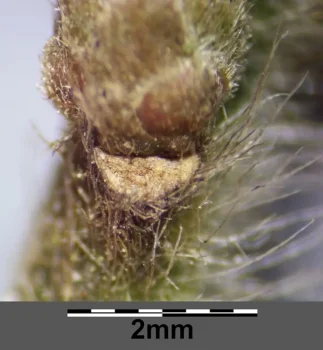
Big-Flower Broom: A Mediterranean Charmer for Drought-Tolerant Gardens
Looking for a low-maintenance shrub that can handle dry conditions while adding a splash of cheerful yellow to your garden? Meet big-flower broom (Chamaecytisus supinus), a compact Mediterranean native that’s been quietly winning over gardeners with its sunny disposition and easy-going nature.
What is Big-Flower Broom?
Big-flower broom is a small, spreading shrub that belongs to the pea family. Despite its common name suggesting large blooms, the big refers more to the plant’s showy display when covered in clusters of bright yellow, pea-like flowers. Also known by its synonym Cytisus supinus, this plant typically grows 1-2 feet tall and spreads 3-4 feet wide, making it an excellent ground cover option.
Where Does It Come From?
This charming little shrub hails from the Mediterranean region of Southern Europe, where it thrives in the warm, dry conditions typical of that climate. It’s perfectly adapted to rocky, well-draining soils and can handle long periods without water once established.
Garden Appeal and Landscape Role
Big-flower broom brings several attractive qualities to the garden:
- Bright yellow flowers that bloom in late spring to early summer
- Silvery-green foliage that provides year-round interest
- Compact, mounding growth habit perfect for ground cover
- Excellent for erosion control on slopes
- Drought tolerance once established
This plant shines in Mediterranean-style gardens, rock gardens, and xerophytic landscapes. It’s particularly useful for challenging spots where other plants might struggle – think sunny slopes, rocky areas, or that difficult strip between the sidewalk and street.
Growing Conditions and Care
Big-flower broom is refreshingly low-maintenance, but it does have some specific preferences:
- Sunlight: Full sun is essential for best flowering and compact growth
- Soil: Well-draining soil is crucial; it can’t tolerate wet feet
- Water: Drought tolerant once established, but appreciates occasional deep watering during extended dry spells
- Climate: Hardy in USDA zones 7-9
Planting and Care Tips
Getting big-flower broom established is straightforward:
- Plant in spring after the last frost
- Choose a sunny location with excellent drainage
- Water regularly the first year to help establish roots
- Prune lightly after flowering to maintain shape
- Avoid heavy fertilization, which can reduce flowering
Wildlife Benefits
While not native to North America, big-flower broom does offer some benefits to local wildlife. Its nectar-rich flowers attract bees and butterflies during blooming season, providing a food source when many spring flowers are finishing up.
Should You Plant It?
Big-flower broom can be a good choice if you’re looking for a low-maintenance, drought-tolerant ground cover for challenging sites. However, since it’s not native to North America, consider exploring native alternatives first. Some excellent native options that offer similar benefits include:
- Wild lupine (Lupinus perennis) for similar pea-family flowers
- Leadplant (Amorpha canescens) for drought tolerance and wildlife benefits
- Local native groundcovers suited to your specific region
If you do choose to grow big-flower broom, it’s a reliable performer that won’t demand much attention once settled in. Just remember to give it the sun and drainage it craves, and it’ll reward you with its cheerful yellow blooms year after year.