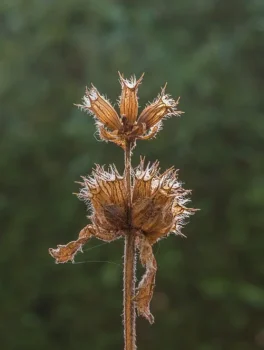
Big-Sage: A Showy Perennial for the Adventurous Gardener
If you’re looking to add some dramatic flair to your garden with towering spikes of purple-pink blooms, big-sage (Stachys macrantha) might just catch your eye. This robust perennial brings Old World charm to American gardens, though it comes with a few considerations worth knowing before you dig in.
What Exactly is Big-Sage?
Big-sage is a non-native perennial forb that originally hails from the Caucasus region. Don’t let the sage in its name fool you – this plant is actually a member of the mint family, and its botanical name Stachys macrantha literally means large-flowered hedge nettle. It’s quite the mouthful, which is probably why most gardeners stick with big-sage!
This herbaceous perennial lacks woody stems but makes up for it with impressive flower spikes that can really steal the show in a garden setting. It’s currently found growing in New York, though its presence in other states may be limited or undocumented.
- Species observed
- No observations
The Good, The Beautiful, and The Practical
So why might you want to grow big-sage? Here are the highlights:
- Spectacular blooms: Large purple-pink flowers arranged in distinctive whorled spikes
- Pollinator magnet: Bees, butterflies, and other beneficial insects love these flowers
- Heart-shaped foliage: Attractive leaves provide good structure even when not in bloom
- Perennial reliability: Comes back year after year once established
- Cottage garden charm: Perfect for that romantic, slightly wild garden aesthetic
Where Does Big-Sage Shine?
This plant works beautifully in several garden scenarios:
- Perennial borders: Use it as a mid-to-back border plant where its height can shine
- Cottage gardens: Fits right into that relaxed, abundant garden style
- Woodland edges: Thrives in the transition zone between sun and shade
- Pollinator gardens: A valuable nectar source for beneficial insects
Growing Big-Sage Successfully
Ready to give big-sage a try? Here’s what you need to know:
Climate Requirements: Big-sage is hardy in USDA zones 4-8, making it suitable for much of the northern and central United States.
Light and Soil: This adaptable perennial handles everything from partial shade to full sun, though it seems to prefer some afternoon protection in hotter climates. Provide moist but well-draining soil – think forest floor conditions rather than swamp or desert.
Planting and Care Tips:
- Space plants about 18-24 inches apart to allow for their spreading habit
- Water regularly during the first growing season to establish roots
- Deadhead spent flowers to encourage continued blooming
- Divide clumps every 3-4 years to maintain vigor and prevent overcrowding
- Cut back to ground level in late fall or early spring
A Word About Native Alternatives
While big-sage can be a lovely garden addition, it’s worth considering that as a non-native species, it doesn’t provide the same ecological benefits as indigenous plants. If you’re passionate about supporting local ecosystems, you might explore native alternatives like wild bergamot (Monarda fistulosa) or wild ginger (Asarum canadense), which offer similar aesthetic appeal while supporting native wildlife.
The Bottom Line
Big-sage offers gardeners showy blooms, pollinator appeal, and relatively easy care. While it’s not a native species, there’s currently no evidence suggesting it’s invasive or problematic. If you choose to grow it, you’ll be rewarded with striking purple-pink flower spikes and the satisfied hum of happy pollinators. Just remember to garden responsibly and consider incorporating native plants alongside any non-native additions to create a balanced, ecologically friendly landscape.
Whether big-sage earns a spot in your garden ultimately depends on your gardening goals and aesthetic preferences. But if you’re looking for something a little different that still plays well with others, this Caucasus native might just be worth a try.