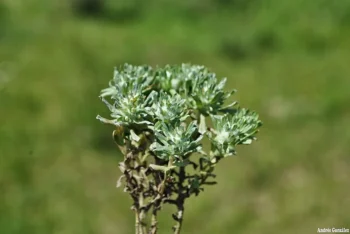
Bighead Straitjackets: A Mysterious Annual You’ve Probably Never Heard Of
If you’ve stumbled across the name Bighead straitjackets in your plant research, you might be scratching your head wondering what exactly this unusual-sounding plant is all about. You’re not alone! Micropsis dasycarpa, commonly known as Bighead straitjackets, is one of those mysterious plants that botanists know exists but gardeners rarely encounter.
What Is Bighead Straitjackets?
Bighead straitjackets is an annual forb, meaning it’s a non-woody herbaceous plant that completes its entire life cycle in just one growing season. Like other forbs, it lacks the significant woody tissue that characterizes shrubs and trees, instead producing soft, green stems and foliage that die back completely each year.
This plant belongs to a group that has seen some taxonomic shuffling over the years – you might occasionally see it listed under the synonym Micropus dasycarpa in older botanical references.
Native Status and Geographic Distribution
Here’s where things get interesting (and a bit concerning for native plant enthusiasts): Bighead straitjackets is not native to North America. It’s an introduced species that has established itself in the wild and now reproduces without human intervention. In the United States, it has been documented in Texas, though its presence appears to be quite limited.
- Species observed
- No observations
Should You Grow Bighead Straitjackets?
This is where we need to have an honest conversation. While we don’t have definitive information about whether Bighead straitjackets is invasive or problematic, its non-native status and the general lack of information about its ecological impact give us pause.
As responsible gardeners, when we encounter mysterious non-native plants with limited documentation, it’s often wiser to explore well-studied native alternatives instead. Texas has an incredible wealth of beautiful native annual wildflowers that provide known benefits to local wildlife and ecosystems.
Better Native Alternatives for Texas Gardens
Instead of taking a chance on Bighead straitjackets, consider these fantastic native Texas annuals:
- Bluebonnet (Lupinus texensis) – The state flower with gorgeous blue spikes
- Indian Paintbrush (Castilleja) – Brilliant red-orange blooms
- Cosmos (Cosmos parviflorus) – Native pink cosmos with delicate flowers
- Phlox (Phlox drummondii) – Colorful carpet-forming annual
The Bottom Line
While Bighead straitjackets might sound intriguing with its quirky common name, the lack of available information about its cultivation, ecological impact, and garden value makes it a risky choice for home gardeners. Texas offers so many well-documented, beautiful native options that provide clear benefits to pollinators and local wildlife.
When in doubt, go native! Your local ecosystem (and your garden’s success rate) will thank you for choosing plants with proven track records and known environmental benefits.