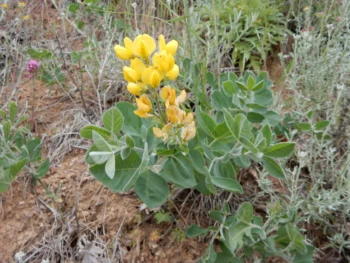
Bird’s-Foot Trefoil: A Hardy Ground Cover with Yellow Blooms
If you’ve ever spotted cheerful clusters of tiny yellow flowers carpeting a meadow or roadside, chances are you’ve encountered bird’s-foot trefoil (Lotus corniculatus var. corniculatus). This resilient perennial has made itself quite at home across North America, though it originally hails from Europe, Asia, and North Africa.
What Is Bird’s-Foot Trefoil?
Bird’s-foot trefoil is a low-growing perennial forb that belongs to the legume family. Its quirky common name comes from its distinctive seed pods, which split into several curved sections that look remarkably like a bird’s foot. The plant produces bright yellow, pea-like flowers that bloom from late spring through early fall, creating a cheerful carpet of color wherever it grows.
As a non-native species, bird’s-foot trefoil has established itself across virtually all of North America, from coast to coast and from the southern United States up into Canada’s northern territories. It reproduces readily in the wild and has become naturalized in most regions where it’s been introduced.
- Species observed
- No observations
Should You Plant Bird’s-Foot Trefoil?
The decision to plant bird’s-foot trefoil depends on your gardening goals and philosophy. Here are some factors to consider:
Reasons You Might Want It:
- Extremely hardy and drought-tolerant once established
- Thrives in poor soils where other plants struggle
- Provides nectar for bees, butterflies, and other pollinators
- Fixes nitrogen in the soil, improving fertility for surrounding plants
- Requires virtually no maintenance
- Excellent for erosion control on slopes
- Long blooming period from late spring to early fall
Reasons You Might Skip It:
- It’s not native to North America
- Can spread aggressively and may crowd out other plants
- Self-seeds readily and can be difficult to remove once established
- May not provide the same wildlife benefits as native alternatives
Growing Bird’s-Foot Trefoil Successfully
If you decide to grow bird’s-foot trefoil, you’ll find it’s one of the most forgiving plants you can choose. It’s hardy in USDA zones 3-9, making it suitable for most North American climates.
Growing Conditions:
- Sunlight: Full sun to partial shade
- Soil: Tolerates almost any soil type, including poor, rocky, or sandy conditions
- Water: Drought-tolerant once established; avoid overwatering
- pH: Adaptable to various pH levels
Planting and Care Tips:
- Sow seeds in spring or fall directly where you want the plants to grow
- Barely cover seeds with soil, as they need light to germinate
- Water lightly until established, then rely on natural rainfall
- No fertilizer needed – as a legume, it fixes its own nitrogen
- Mow or cut back after flowering to prevent excessive self-seeding if desired
- Be prepared for it to spread – plant only where you’re comfortable with naturalized growth
Native Alternatives to Consider
While bird’s-foot trefoil can be useful in challenging growing conditions, consider these native alternatives that provide similar benefits while supporting local ecosystems:
- Wild bergamot (Monarda fistulosa): Native perennial with showy flowers that attract pollinators
- Purple prairie clover (Dalea purpurea): Native legume that fixes nitrogen and supports wildlife
- Wild lupine (Lupinus perennis): Another native nitrogen-fixer with beautiful flower spikes
- Partridge pea (Chamaecrista fasciculata): Native annual legume excellent for erosion control
The Bottom Line
Bird’s-foot trefoil is undeniably tough and useful, especially for difficult sites where few other plants will thrive. Its ability to fix nitrogen, prevent erosion, and feed pollinators makes it a functional choice for low-maintenance landscapes. However, its non-native status and aggressive spreading habit mean it’s worth considering whether a native alternative might better serve your garden’s goals.
If you do choose to plant it, be mindful of its spreading nature and consider containing it to areas where naturalized growth is welcome. With its cheerful yellow flowers and bird’s-foot seed pods, it certainly adds character to any landscape – just make sure that character aligns with your gardening vision.