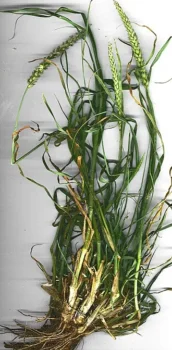
Birdwood Grass: A Drought-Tolerant Ornamental with a Feathery Touch
If you’re searching for a grass that can handle tough conditions while adding texture to your landscape, birdwood grass (Cenchrus setiger) might catch your eye. This perennial grass brings a fountain-like form and feathery seed heads to gardens, though it comes with some considerations worth knowing about before you plant.
What is Birdwood Grass?
Birdwood grass is a non-native perennial grass that has made itself at home in several U.S. states. Originally from Africa and parts of Asia, this drought-tolerant grass has established itself in Hawaii, Louisiana, Mississippi, and Texas, where it reproduces naturally without human intervention.
- Species observed
- No observations
You might also see this grass listed under several scientific synonyms in plant catalogs, including Cenchrus setigerus and various Pennisetum classifications, but they all refer to the same feathery, resilient grass.
Should You Plant Birdwood Grass?
The answer isn’t entirely straightforward. Here’s what to consider:
The Pros:
- Extremely drought tolerant once established
- Low maintenance requirements
- Attractive fountain-like growth habit
- Feathery seed heads add textural interest
- Thrives in challenging conditions where other grasses struggle
The Considerations:
- Non-native status means it doesn’t support local ecosystems as well as native alternatives
- May self-seed and spread beyond intended areas
- Limited benefits for local pollinators and wildlife
Native Alternatives to Consider
Before choosing birdwood grass, consider these native options that offer similar drought tolerance and ornamental appeal:
- Buffalo grass (Bouteloua dactyloides) for southern regions
- Little bluestem (Schizachyrium scoparium) for textural interest
- Sideoats grama (Bouteloua curtipendula) for feathery seed heads
Growing Birdwood Grass Successfully
If you decide to grow birdwood grass, here’s how to give it the best chance of thriving:
Ideal Growing Conditions:
- Sunlight: Full sun for best growth and flowering
- Soil: Well-draining soil; adaptable to various soil types
- Water: Drought tolerant once established; minimal watering needed
- Climate: Suitable for USDA hardiness zones 8-11
Planting and Care Tips:
- Plant in spring after the last frost date
- Space plants adequately to allow for their fountain-like spread
- Water regularly during establishment, then reduce watering
- Cut back in late winter before new growth emerges
- Monitor for self-seeding and remove unwanted seedlings
The Bottom Line
Birdwood grass can be an attractive, low-maintenance addition to drought-tolerant gardens, especially in challenging growing conditions. However, its non-native status means it won’t contribute to local ecosystem health the way native grasses do. If you choose to grow it, be mindful of its potential to self-seed and consider containing its spread. For the most ecological benefit, explore native grass alternatives that can provide similar aesthetic appeal while supporting local wildlife and pollinators.
Whatever you choose, remember that the best garden grass is one that fits both your landscape needs and your environmental values!