Bishop’s Goutweed: The Groundcover You Should Avoid (And Better Native Alternatives)
If you’ve ever wondered about that aggressive, white-flowered groundcover taking over shaded areas in older neighborhoods, you’ve likely encountered bishop’s goutweed (Aegopodium podagraria). While this European import might seem like an easy solution for challenging garden spots, there’s a lot more to this story than meets the eye.
What Is Bishop’s Goutweed?
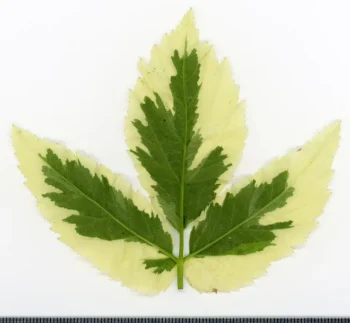
Bishop’s goutweed is a perennial herbaceous plant that belongs to the carrot family. This low-growing forb produces clusters of small white flowers in umbrella-shaped formations during late spring and early summer. The divided, serrated leaves create a lush carpet effect that can look quite attractive at first glance.
Originally from Europe and western Asia, this non-native species has made itself quite at home across much of North America. It’s established populations throughout Canada (British Columbia, Manitoba, New Brunswick, Nova Scotia, Ontario, Quebec, and Saskatchewan) and across numerous U.S. states from coast to coast, including Connecticut, Delaware, Georgia, Idaho, Illinois, Indiana, Kentucky, Maine, Maryland, Massachusetts, Michigan, Minnesota, Missouri, Montana, New Hampshire, New Jersey, New York, North Carolina, Ohio, Oregon, Pennsylvania, Rhode Island, South Carolina, Tennessee, Vermont, Virginia, Washington, West Virginia, and Wisconsin.
- Species observed
- No observations
The Problem with Bishop’s Goutweed
Here’s where things get serious: bishop’s goutweed isn’t just another garden plant. It’s classified as invasive in Connecticut, where it’s actually prohibited, and restricted in Wisconsin. This aggressive spreader has earned its troublesome reputation through decades of escaping gardens and taking over natural areas.
The plant spreads rapidly through underground rhizomes, creating dense colonies that crowd out native vegetation. Once established, it’s notoriously difficult to remove – even tiny root fragments can regenerate into new plants. What might start as a small patch can quickly become a neighborhood-wide problem.
Growing Conditions and Characteristics
Bishop’s goutweed is frustratingly adaptable, which contributes to its invasive success:
- Hardiness: Thrives in USDA zones 3-9
- Light requirements: Prefers shade to partial shade
- Soil tolerance: Adaptable to various soil types
- Water needs: Drought tolerant once established
- Wetland status: Highly adaptable – can grow in both wetland and upland conditions depending on the region
While the plant does provide some pollinator benefits through its white flower clusters that attract bees and other small beneficial insects, these benefits don’t outweigh the ecological damage it can cause.
Why You Should Skip This Plant
Given its invasive status and aggressive nature, we strongly recommend against planting bishop’s goutweed. Here’s why:
- It’s legally prohibited in some states
- Extremely difficult to control or remove once established
- Crowds out native plants and disrupts local ecosystems
- Can spread to neighboring properties and natural areas
- Creates long-term management headaches
Better Native Alternatives
Instead of risking the ecological and legal issues that come with bishop’s goutweed, consider these native groundcover alternatives that can handle similar challenging conditions:
- Wild ginger (Asarum canadense): Excellent for deep shade with heart-shaped leaves
- Mayapple (Podophyllum peltatum): Creates a lush carpet with umbrella-like leaves
- Wild strawberry (Fragaria virginiana): Provides flowers, fruit, and fall color
- Pachysandra procumbens (Allegheny spurge): Native alternative to exotic pachysandra
- Foamflower (Tiarella cordifolia): Delicate white flowers and attractive foliage
If You Already Have It
If bishop’s goutweed has already established itself on your property, removal requires patience and persistence. Complete eradication typically involves repeated digging, careful disposal of all plant material, and potentially several years of vigilant monitoring for regrowth. Consider consulting with local extension services or native plant societies for region-specific removal strategies.
The Bottom Line
While bishop’s goutweed might seem like an easy solution for challenging garden spots, its invasive nature and legal restrictions make it a plant to avoid. By choosing native alternatives, you’ll create a more sustainable landscape that supports local wildlife while avoiding the headaches that come with managing an aggressive invasive species. Your garden – and your local ecosystem – will thank you for making the responsible choice.