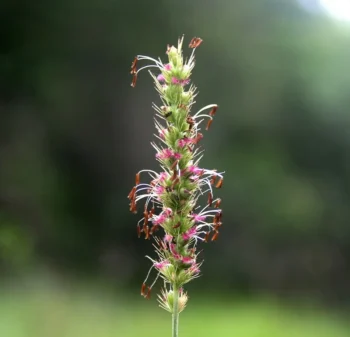
Black Bristlegrass: What You Need to Know About This Lesser-Known Grass
If you’ve stumbled across the name black bristlegrass (Setaria nigrirostris) in your gardening research, you might be wondering whether this perennial grass deserves a spot in your landscape. Let’s dive into what we know about this relatively obscure member of the grass family and help you decide if it’s right for your garden.
Getting to Know Black Bristlegrass
Black bristlegrass is a perennial grass that belongs to the large and diverse Setaria genus. You might also see it listed under its scientific synonym, Chaetochloa nigrirostris. Like other members of the grass family, it’s what botanists call a graminoid – essentially a grass or grass-like plant that includes not just true grasses, but also sedges, rushes, and their relatives.
Where Does It Come From?
Here’s where things get interesting (or concerning, depending on your perspective): black bristlegrass isn’t actually native to the United States. It’s an introduced species that has managed to establish itself and reproduce on its own in the wild. Currently, it’s been documented growing in Oregon, though its exact native range isn’t well-documented in readily available sources.
- Species observed
- No observations
Should You Plant Black Bristlegrass?
This is where we need to pump the brakes a bit. While black bristlegrass isn’t currently listed as invasive or noxious, the fact that it’s a non-native species that can reproduce and persist in the wild should give us pause. As responsible gardeners, we always want to consider the potential ecological impact of introducing non-native plants to our landscapes.
The reality is that there isn’t a wealth of information available about this particular species’ garden performance, growing requirements, or ecological benefits. This lack of information, combined with its non-native status, suggests that there are probably better choices for your garden.
Native Alternatives to Consider
Instead of taking a chance on black bristlegrass, why not explore some fantastic native grass options? Depending on your location and growing conditions, consider these alternatives:
- Buffalo grass (Poaceae species native to your region)
- Native fescues and other cool-season grasses
- Regional sedges that provide similar texture
- Native bunch grasses appropriate for your climate zone
Your local native plant society or extension office can help you identify the best native grass species for your specific area and growing conditions.
The Bottom Line
While black bristlegrass might seem like an intriguing addition to your plant palette, the combination of limited information about its garden performance and its non-native status makes it a less-than-ideal choice. There are plenty of well-documented native grasses that can provide beautiful texture, support local wildlife, and contribute to a healthy ecosystem without the uncertainty that comes with lesser-known introduced species.
When in doubt, go native! Your local pollinators, birds, and soil organisms will thank you, and you’ll have the satisfaction of knowing you’re supporting your local ecosystem while creating a beautiful landscape.