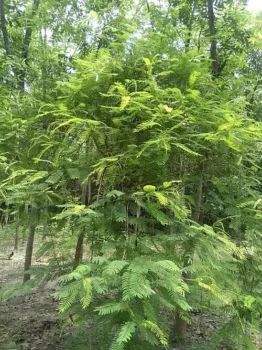
Black Cutch: A Unique Tree for Warm Climate Gardens
If you’re looking to add something a little different to your warm-climate garden, black cutch might just catch your eye. This distinctive tree, scientifically known as Senegalia catechu, brings a touch of Southeast Asian charm to landscapes that can handle its tropical preferences.
What Is Black Cutch?
Black cutch is a medium-sized deciduous tree that’s native to Southeast Asia, including India, Myanmar, and Thailand. You might also see it listed under its former scientific name, Acacia catechu, though botanists have since moved it to the Senegalia genus. This tree has been valued for centuries in its native range, both for its ornamental qualities and traditional uses.
Why You Might Want to Grow Black Cutch
There are several compelling reasons to consider black cutch for your garden:
- Unique foliage: The feathery, bipinnate leaves create an elegant, fine-textured canopy that dances beautifully in the breeze
- Fragrant flowers: Small, pale yellow to white flower spikes appear in clusters, filling the air with a sweet fragrance
- Drought tolerance: Once established, this tree handles dry conditions remarkably well
- Pollinator friendly: The blooms attract bees and other beneficial insects to your garden
- Conversation starter: It’s not a tree you see in every yard, making it a unique focal point
Growing Conditions and Care
Black cutch is definitely a warm-climate tree, thriving in USDA hardiness zones 9-11. If you live somewhere that gets frost regularly, this tree isn’t for you – it simply can’t handle the cold.
Here’s what black cutch needs to thrive:
- Sunlight: Full sun is essential for healthy growth and flowering
- Soil: Well-draining soil is crucial – this tree hates soggy feet
- Water: Regular watering when young, but quite drought tolerant once established
- Space: Plan for a mature size of 20-30 feet tall and wide
Planting and Care Tips
Getting your black cutch off to a good start is pretty straightforward:
- Plant in spring after any chance of frost has passed
- Dig a hole twice as wide as the root ball but no deeper
- Water regularly for the first year while roots establish
- Mulch around the base to retain moisture and suppress weeds
- Prune lightly to shape the tree and remove any dead or crossing branches
Is Black Cutch Right for Your Garden?
Before you rush out to find a black cutch, consider whether it’s the best fit for your space and goals. While this tree isn’t considered invasive, it’s also not native to North America. If you’re passionate about supporting local ecosystems with native plants, you might want to explore native alternatives first.
For warm-climate gardeners in the southern U.S., consider native options like:
- Texas redbud (Cercis canadensis var. texensis)
- Desert willow (Chilopsis linearis)
- Coral bean (Erythrina herbacea)
That said, if you have your heart set on black cutch and can provide the right growing conditions, it can make a lovely addition to a diverse garden. Just remember that it’s best suited for large spaces, parks, or botanical collections rather than small residential yards.
The Bottom Line
Black cutch offers something different for adventurous gardeners in warm climates. Its delicate foliage, fragrant flowers, and drought tolerance make it an interesting choice for those looking to expand their horticultural horizons. Just make sure you can provide the warm, well-draining conditions it craves, and consider whether a native alternative might better serve your local ecosystem goals.