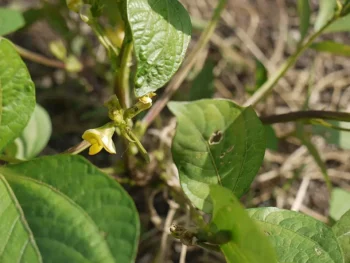
Black Gram: An Edible Legume Worth Considering
If you’re looking to add something unique to your edible garden, black gram (Vigna mungo) might just be the interesting annual you didn’t know you needed. This humble legume brings both beauty and function to the garden, though it comes with a few considerations worth exploring.
What Exactly Is Black Gram?
Black gram is an annual herb that belongs to the legume family. Also known scientifically as Vigna mungo (and sometimes by its older name Phaseolus mungo), this non-woody plant grows as a compact, bushy herb. Originally from South Asia, it has found its way into American gardens, particularly in warmer regions.
Where Does It Grow?
In the United States, black gram has established itself in Maryland, where it reproduces on its own in the wild. This adaptable plant thrives in USDA hardiness zones 9-11, making it suitable for gardeners in the warmest parts of the country.
- Species observed
- No observations
Garden Appeal and Function
Black gram offers several attractive features for the home gardener:
- Small, charming purple or yellow flowers that add color to the garden
- Heart-shaped leaves that create pleasant foliage texture
- Compact, bushy growth habit perfect for smaller spaces
- Nitrogen-fixing abilities that actually improve your soil
- Edible beans that can be harvested for cooking
The flowers also provide nectar for bees and other small pollinators, making it a functional addition to pollinator-friendly gardens.
Perfect Garden Settings
Black gram works well in:
- Vegetable gardens as both a crop and soil improver
- Container gardens on patios or balconies
- Edible landscapes where you want both beauty and function
- Small spaces where you need a compact, productive plant
Growing Black Gram Successfully
Planting: Direct seed black gram in your garden after all danger of frost has passed. The soil should be warm and well-draining. Choose a spot with full sun exposure for best results.
Care: Keep the soil consistently moist but not waterlogged. Like other legumes, black gram doesn’t need heavy fertilization since it fixes its own nitrogen. Simply provide regular watering and watch for pests.
Harvest: You can expect to harvest your black gram beans in about 90-120 days after planting, depending on growing conditions.
A Word About Native Alternatives
While black gram isn’t invasive, it’s worth noting that it’s not native to North America. If you’re interested in supporting native ecosystems, consider these native legume alternatives that offer similar benefits:
- American groundnut (Apios americana) – a native climbing legume with edible tubers
- Wild senna (Senna hebecarpa) – a native legume with bright yellow flowers
- Partridge pea (Chamaecrista fasciculata) – an annual native legume perfect for naturalized areas
The Bottom Line
Black gram can be a delightful addition to warm-climate gardens, especially if you’re interested in edible landscaping or improving your soil naturally. While it’s not native, it’s also not problematic, making it a reasonable choice for gardeners who want to try something different. Just remember to consider native alternatives that might provide even greater benefits to local wildlife and ecosystems.
Whether you choose black gram or a native alternative, you’ll be adding nitrogen-fixing power and pollinator appeal to your garden – and that’s always a win!