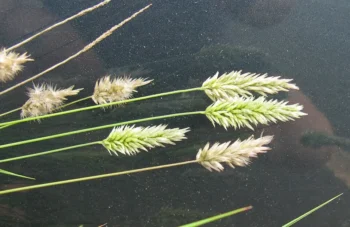
Black-Heads Grass: A Drought-Tolerant Wonder for Water-Wise Gardens
If you’re looking for a grass that can handle tough conditions while adding unique texture to your landscape, black-heads grass (Enneapogon nigricans) might just be the resilient performer you need. This distinctive grass gets its common name from its characteristic dark seed heads that create visual interest long after the growing season ends.
What is Black-Heads Grass?
Black-heads grass is a perennial tufted grass that belongs to the Poaceae family. You might also see it listed under its botanical synonym, Enneapogon flavescens. This hardy grass forms attractive clumps and produces the signature dark seed heads that give it its memorable common name.
Where Does It Come From?
Black-heads grass is native to Australia, where it thrives in arid and semi-arid regions. This origin story tells you everything you need to know about its tough, drought-tolerant nature – it’s built to survive in challenging conditions where many other plants would struggle.
Why Consider Black-Heads Grass for Your Garden?
There are several compelling reasons why this grass might earn a spot in your landscape:
- Exceptional drought tolerance: Once established, it requires minimal watering
- Low maintenance: This is a plant it and forget it kind of grass
- Unique aesthetic: The dark seed heads provide interesting texture and color contrast
- Versatile use: Perfect for rock gardens, xeriscaping, or Mediterranean-style landscapes
Where Does Black-Heads Grass Shine?
This grass is particularly well-suited for:
- Water-wise or drought-tolerant garden designs
- Rock gardens where its tufted form adds softness
- Mediterranean or desert-themed landscapes
- Areas with poor or sandy soils
- Slopes or areas where erosion control is needed
Growing Conditions and Care
Black-heads grass is refreshingly easy to grow if you can provide its basic needs:
Sunlight: Full sun is best – this grass loves bright, direct light throughout the day.
Soil: Well-draining soil is crucial. It can handle poor soils and even sandy conditions, but sitting water will cause problems.
Water: Water regularly during establishment, then reduce frequency dramatically. Mature plants are quite drought tolerant.
Climate: Best suited for USDA hardiness zones 8-11, where it can handle both heat and occasional light frosts.
Planting and Establishment Tips
Getting black-heads grass off to a good start is straightforward:
- Plant in spring after the last frost danger has passed
- Space plants according to your desired coverage – they’ll form clumps over time
- Water regularly for the first growing season to encourage strong root development
- Once established, you can significantly reduce watering frequency
- Minimal fertilization needed – this grass thrives in lean conditions
A Word of Caution
Since black-heads grass is not native to North America, it’s always worth checking with your local extension office about any regional concerns. While we don’t have data suggesting it’s problematic, being a responsible gardener means staying informed about how non-native plants might behave in your specific area.
The Bottom Line
Black-heads grass offers a unique combination of toughness, low maintenance, and distinctive appearance that makes it worth considering for the right garden situation. If you’re creating a water-wise landscape or need a grass that can handle challenging conditions, this Australian native might be exactly what you’re looking for. Just remember to source your plants responsibly and keep an eye on how they perform in your specific location.