Black Horehound: A Tough Perennial with Old-World Charm
If you’re looking for a no-fuss perennial that can handle tough conditions, black horehound (Ballota nigra var. foetida) might catch your interest. This hardy member of the mint family brings a touch of old-world European character to gardens, though it’s worth knowing what you’re getting into before you plant it.
What Is Black Horehound?
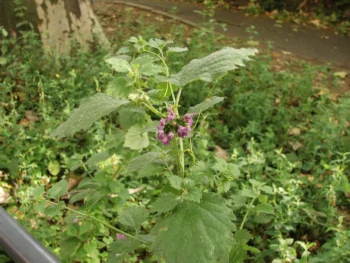
Black horehound is a perennial herb that originally hails from Europe and western Asia. Like many plants in the mint family, it features the characteristic square stems and opposite leaves that make identification relatively straightforward. Don’t let the name fool you – while it’s called black horehound, the plant itself is quite green, with small clusters of white to pinkish flowers that appear throughout the growing season.
You might also encounter this plant listed under its botanical synonyms Ballota borealis or Ballota nigra ssp. foetida in older gardening references.
Where Does It Grow?
In North America, black horehound has established itself in scattered locations, with documented populations in Connecticut and Washington. As a non-native species, it has shown the ability to reproduce and persist on its own without human assistance.
- Species observed
- No observations
Why Might You Want (Or Not Want) Black Horehound?
Black horehound has some appealing qualities for certain garden situations:
- Extremely drought-tolerant once established
- Thrives in poor soils where other plants struggle
- Provides nectar for bees and small pollinators
- Low maintenance and hardy in USDA zones 4-8
- Adds texture with its fuzzy, gray-green foliage
However, there are some considerations to keep in mind. As a non-native species, it doesn’t provide the same ecological benefits as native plants. It can also self-seed readily, which means it might pop up in unexpected places around your garden.
Growing Black Horehound Successfully
If you decide to grow black horehound, you’ll find it refreshingly easy to please. This tough plant actually prefers lean, well-draining soil and doesn’t need rich, fertile conditions to thrive. In fact, too much fertility can make it grow too vigorously.
Here are some key growing tips:
- Plant in full sun to partial shade
- Ensure good drainage – it won’t tolerate soggy conditions
- Water sparingly once established
- Deadhead flowers to prevent excessive self-seeding
- Cut back in late fall or early spring
Garden Design Ideas
Black horehound works well in cottage gardens, herb gardens, or naturalized areas where a more relaxed, informal look is desired. Its gray-green foliage provides nice contrast to brighter green plants, and the small flowers add subtle interest without being showy.
Consider pairing it with other Mediterranean-style plants that enjoy similar growing conditions, such as lavender, rosemary, or sage.
Consider Native Alternatives
While black horehound can be a useful garden plant, you might also consider native alternatives that provide similar benefits while supporting local ecosystems. Depending on your region, native plants like wild bergamot (Monarda), mountain mint (Pycnanthemum), or native sages (Salvia) can offer comparable drought tolerance and pollinator appeal with greater ecological value.
The Bottom Line
Black horehound is a sturdy, low-maintenance perennial that can fill a niche in challenging garden spots. While it won’t win any beauty contests, its reliability and toughness make it worth considering for the right situation. Just remember to deadhead those flowers if you don’t want it spreading throughout your garden, and consider exploring native alternatives that might offer even greater benefits for your local ecosystem.