Black Nightshade: A Misunderstood Garden Wanderer
Meet black nightshade (Solanum nigrum), a plant that’s probably already growing somewhere near you, whether you invited it or not! This humble little herb has been quietly making itself at home across North America, and while it might not win any beauty contests, it has some surprising qualities that might make you think twice before pulling it up.
What Exactly Is Black Nightshade?
Black nightshade is a forb herb – basically a soft-stemmed plant without woody growth that can live as either an annual or perennial, depending on your climate. It’s part of the nightshade family, which includes tomatoes, peppers, and potatoes (though unlike its famous cousins, you definitely shouldn’t be snacking on this one’s berries!).
This non-native species originally hails from Eurasia and Africa but has successfully established itself across much of North America. You’ll find it growing wild everywhere from Alaska to the Virgin Islands, thriving in places like Alabama, California, New York, Oregon, and dozens of states and provinces in between.
- Species observed
- No observations
Recognizing Black Nightshade
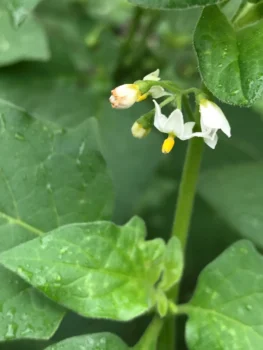
Black nightshade is pretty modest in appearance. It produces small, white, star-shaped flowers that cluster together in delicate sprays. These blooms are followed by small, glossy black berries that give the plant its common name. The leaves are somewhat triangular and green, creating a simple but tidy appearance.
Garden Role and Appeal
Let’s be honest – black nightshade isn’t going to be the star of your flower border. But it does have its place in certain garden styles:
- Wild or naturalized garden areas
- Cottage garden settings where a weedy look is welcome
- Areas with disturbed or poor soil that need quick coverage
- Low-maintenance spaces where you want something that takes care of itself
Growing Conditions and Care
One thing you can say about black nightshade – it’s not picky! This adaptable plant thrives in:
- Full sun to partial shade
- Poor to average soils (it actually prefers not to be pampered)
- USDA hardiness zones 2-11
- Areas with moderate water availability
According to wetland classifications, black nightshade usually prefers upland (non-wetland) areas, though it can occasionally tolerate some moisture. It’s particularly good at establishing itself in disturbed soils and areas where other plants might struggle.
The Good News for Pollinators
While black nightshade might look unremarkable, its small white flowers are actually quite popular with tiny pollinators. Bees, flies, and other small beneficial insects appreciate the nectar and pollen these modest blooms provide, especially in late summer when other flowers might be fading.
Should You Plant It?
Here’s where things get interesting. Black nightshade isn’t considered invasive or noxious, so there’s no ecological alarm bell ringing. However, since it’s not native to North America, you might want to consider some native alternatives that could provide similar benefits:
- Wild bergamot (Monarda fistulosa) for pollinator appeal
- Native asters for late-season flowers
- Local wildflower mixes suited to your specific region
If you do decide to let black nightshade stay (or even encourage it), just know that it self-seeds readily and can spread on its own. Some gardeners appreciate this self-reliant quality, while others might find it a bit too enthusiastic.
Growing Tips
If you’re planning to work with black nightshade, here are some practical considerations:
- It requires virtually no care once established
- Seeds itself readily, so expect it to show up in new spots
- Tolerates drought and poor soil conditions
- Can be easily removed if it appears where you don’t want it
- Remember that the berries are toxic – keep this in mind if you have curious children or pets
The Bottom Line
Black nightshade is one of those plants that exists in the gray area between wildflower and weed. It’s not going to win any garden design awards, but it’s also not going to cause ecological havoc. Whether you welcome it or remove it probably depends on your gardening style and how you feel about plants that invite themselves to the party.
If you’re drawn to low-maintenance gardening and don’t mind a plant with a mind of its own, black nightshade might find a place in your landscape. Just remember to always consider native alternatives first – they’ll provide similar benefits while supporting your local ecosystem in ways that non-native species simply can’t match.