Bladder Campion: A Night-Blooming Wildflower with a Complicated Reputation
If you’ve ever stumbled across a patch of white flowers with peculiar balloon-like sepals blooming in the evening, you’ve likely encountered bladder campion (Silene latifolia alba). This European native has made itself quite at home across North America, sparking debates among gardeners about whether it’s a charming wildflower or an unwelcome guest.
What Exactly Is Bladder Campion?
Bladder campion is a forb – essentially a non-woody flowering plant that lacks the thick stems of shrubs or trees. This biennial to perennial plant belongs to the carnation family and goes by several scientific names, including Silene alba, Melandrium album, and Lychnis alba, depending on which botanical reference you consult.
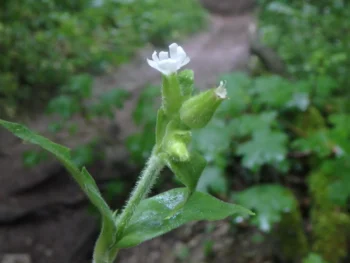
The plant gets its common name from the inflated, balloon-like calyx (the green part behind the petals) that surrounds each white flower. These papery bladders are quite distinctive and make identification relatively straightforward.
Where You’ll Find It Growing
Originally hailing from Europe and western Asia, bladder campion has established itself throughout most of the United States and Alaska. You can find it growing in Alabama, Alaska, Arkansas, California, Colorado, Connecticut, Delaware, District of Columbia, Georgia, Idaho, Illinois, Indiana, Iowa, Kansas, Kentucky, Maine, Maryland, Massachusetts, Michigan, Minnesota, Missouri, Montana, Nebraska, Nevada, New Hampshire, New Jersey, New Mexico, New York, North Carolina, North Dakota, Ohio, Oregon, Pennsylvania, Rhode Island, South Carolina, South Dakota, Tennessee, Utah, Vermont, Virginia, Washington, West Virginia, Wisconsin, and Wyoming.
- Species observed
- No observations
This non-native species has proven quite adaptable, reproducing spontaneously in the wild without human intervention and persisting across diverse climates and conditions.
The Evening Show: Aesthetic Appeal
Bladder campion puts on its best performance when the sun goes down. The white, fragrant flowers typically open in the evening, creating a lovely display for night owls and attracting nocturnal pollinators like moths. During the day, the flowers often appear closed or wilted, which can make the plant look less appealing to casual observers.
When in full bloom, a patch of bladder campion can be quite striking, with masses of white flowers creating an almost ethereal appearance in moonlight or garden lighting.
Should You Plant Bladder Campion?
Here’s where things get interesting. Bladder campion occupies a gray area in the gardening world:
Reasons You Might Want It:
- Attracts night-flying pollinators, including moths
- Extremely low maintenance once established
- Drought tolerant and adaptable to poor soils
- Adds evening fragrance to the garden
- Interesting botanical curiosity with inflated flowers
Reasons You Might Not:
- Can spread aggressively through self-seeding
- Considered weedy by many gardeners
- May outcompete native plant species
- Flowers are only showy in evening/night
- Can be difficult to remove once established
Growing Conditions and Care
If you decide to give bladder campion a try, you’ll find it remarkably undemanding:
Hardiness: Suitable for USDA zones 3-9, making it adaptable to most North American climates.
Light: Prefers full sun but tolerates partial shade reasonably well.
Soil: Thrives in poor to average soils and doesn’t require rich, fertile conditions. Actually performs better in less fertile soils where it faces less competition.
Water: Drought tolerant once established, though it will appreciate occasional watering during extended dry periods.
Maintenance: Requires virtually no care. In fact, the bigger challenge might be preventing it from spreading too enthusiastically.
Planting and Management Tips
Bladder campion readily self-seeds, so you might not need to plant it at all – it may simply appear in your garden on its own. If you do want to introduce it:
- Sow seeds in fall for spring germination
- Choose a location where spreading won’t be problematic
- Consider container growing to control spread
- Deadhead flowers before seed set if you want to prevent self-seeding
- Be prepared to remove unwanted seedlings regularly
Native Alternatives to Consider
If you love the idea of evening-blooming white flowers but prefer supporting native ecosystems, consider these alternatives:
- Evening primrose (Oenothera species) – native night bloomers with yellow or white flowers
- Four o’clock (Mirabilis multiflora) – native western wildflower that opens in late afternoon
- Wild bergamot (Monarda fistulosa) – native pollinator magnet with evening fragrance
- Native campions like Fire Pink (Silene virginica) for eastern gardens
The Bottom Line
Bladder campion represents one of those gardening judgment calls that depends on your personal priorities and garden goals. If you’re drawn to night-blooming plants, enjoy low-maintenance flowers, and don’t mind a bit of wild behavior in your landscape, it might find a place in your garden. However, if you’re focused on supporting native ecosystems or prefer tidy, controlled plantings, you’ll probably want to explore native alternatives instead.
Whatever you decide, approach bladder campion with eyes wide open – it’s a plant that definitely has a mind of its own!