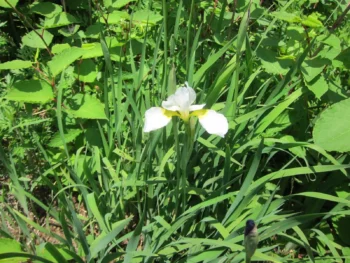
Blood Iris: A Striking Asian Beauty for Your Garden
If you’re looking for a unique iris to add drama to your garden, the blood iris (Iris sanguinea) might catch your eye. Despite its somewhat ominous name, this perennial beauty offers stunning purple-blue blooms that can bring an exotic touch to your landscape. But is it right for your garden? Let’s dive into what makes this Asian native special and how to grow it successfully.
What is Blood Iris?
Blood iris is a perennial forb—essentially a non-woody flowering plant that comes back year after year. Originally from East Asia, including China, Korea, Japan, and eastern Russia, this iris has made its way to North American gardens and has even naturalized in some areas, particularly North Carolina.
You might also see this plant listed under its synonyms Iris orientalis or Iris sibirica in older gardening references, though these names can be confusing since they refer to different species in modern botanical classification.
- Species observed
- No observations
Why Consider Growing Blood Iris?
Blood iris brings several appealing qualities to the garden:
- Striking flowers: Purple-blue blooms with distinctive yellow markings appear in late spring to early summer
- Architectural foliage: Sword-like leaves provide vertical interest even when not in bloom
- Pollinator friendly: The nectar-rich flowers attract bees and butterflies to your garden
- Versatile placement: Works well in borders, naturalized areas, and water gardens
- Hardy nature: Thrives in USDA zones 3-9, making it suitable for most temperate climates
Garden Design Ideas
Blood iris fits beautifully into several garden styles. It’s particularly at home in cottage gardens where its informal charm shines, or in Asian-inspired landscapes where it can showcase its heritage. The plant also works wonderfully in perennial borders, providing height and texture contrast to lower-growing companions.
If you have a bog garden or areas with consistently moist soil, blood iris will be quite happy. Its tolerance for wet conditions makes it an excellent choice for challenging spots where other plants might struggle.
Growing Conditions and Care
Success with blood iris comes down to getting the basics right:
- Soil: Prefers moist, well-draining soil but tolerates wet conditions better than many iris varieties
- Light: Full sun to partial shade, though flowering may be reduced in heavy shade
- Water: Consistent moisture is key, especially during the growing season
- Spacing: Plant rhizomes 12-18 inches apart to allow for spread
Planting and Maintenance Tips
Plant blood iris rhizomes in fall or early spring, positioning them just below the soil surface. Unlike bearded iris, these rhizomes can be planted slightly deeper and actually prefer consistent moisture.
Divide clumps every 3-4 years in late summer or early fall to maintain vigor and prevent overcrowding. This also gives you more plants to spread around your garden or share with friends!
Apply a layer of mulch around plants for winter protection, especially in colder zones. Remove spent flowers to encourage continued blooming and prevent unwanted self-seeding.
A Word About Native Alternatives
While blood iris isn’t native to North America, it has naturalized in some areas without showing aggressive invasive tendencies. However, if you’re committed to native gardening, consider these beautiful alternatives:
- Blue flag iris (Iris versicolor) for wet areas
- Southern blue flag (Iris virginica) for southeastern gardens
- Wild iris (Iris missouriensis) for western regions
The Bottom Line
Blood iris offers gardeners an opportunity to grow something a little different while supporting pollinators and adding reliable perennial beauty to the landscape. Its adaptability to various growing conditions and striking appearance make it worth considering for the right garden setting.
Whether you choose blood iris or opt for a native alternative, you’ll be adding the timeless elegance that only iris can bring to your garden. Just remember to provide consistent moisture and divide regularly for the best performance—your plants (and the visiting bees and butterflies) will thank you!